Smart agriculture powered by data, sustainability, and innovation.
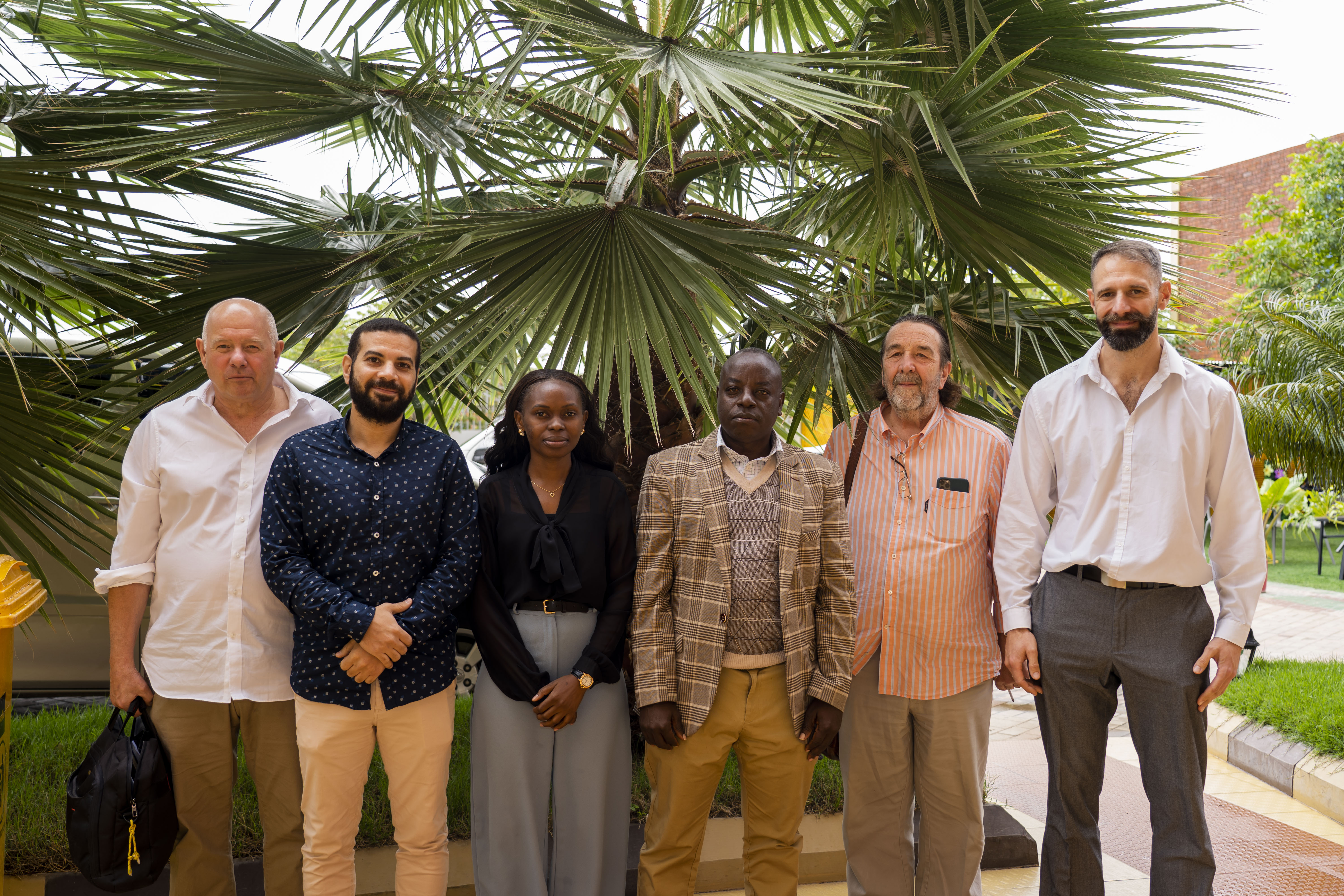
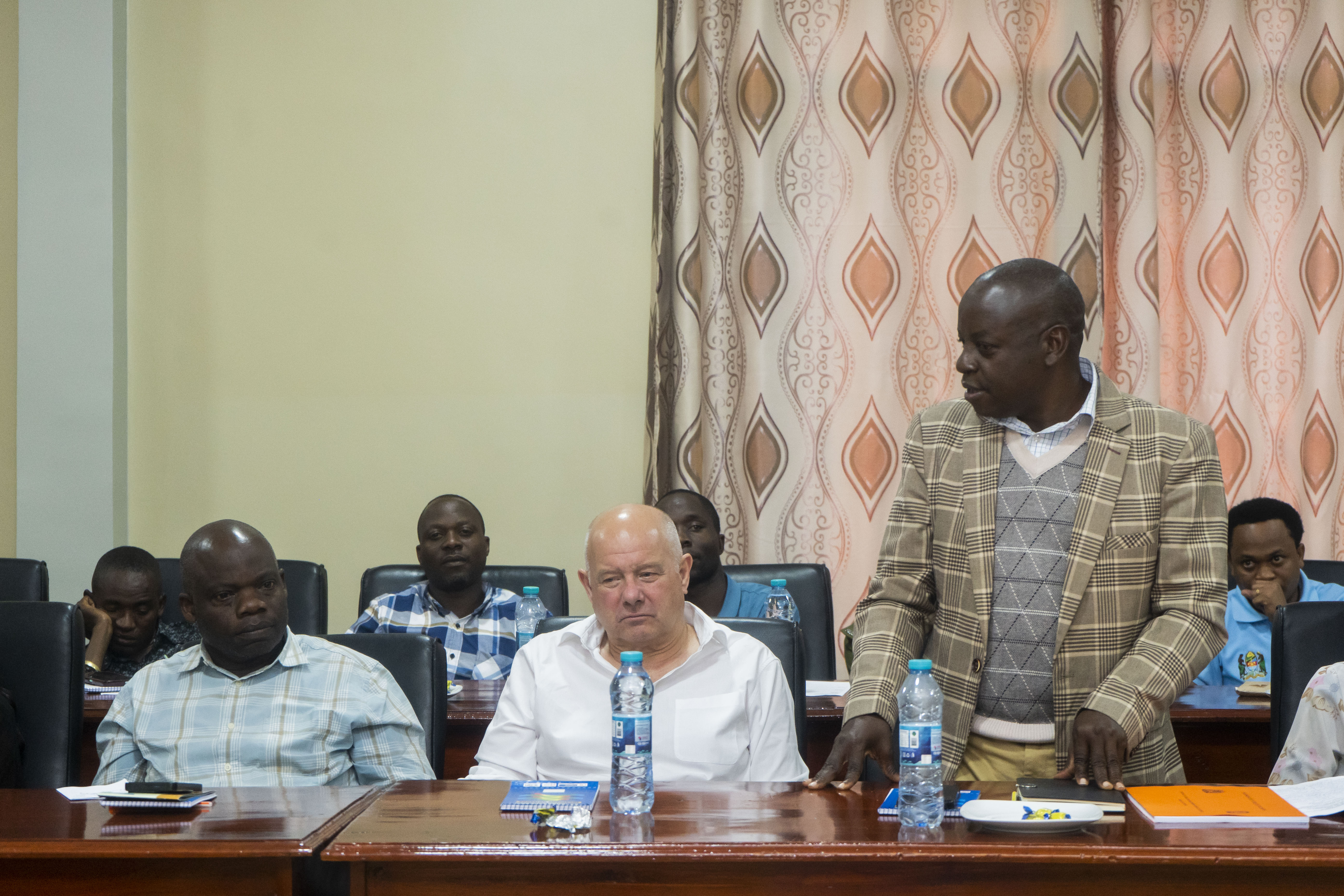
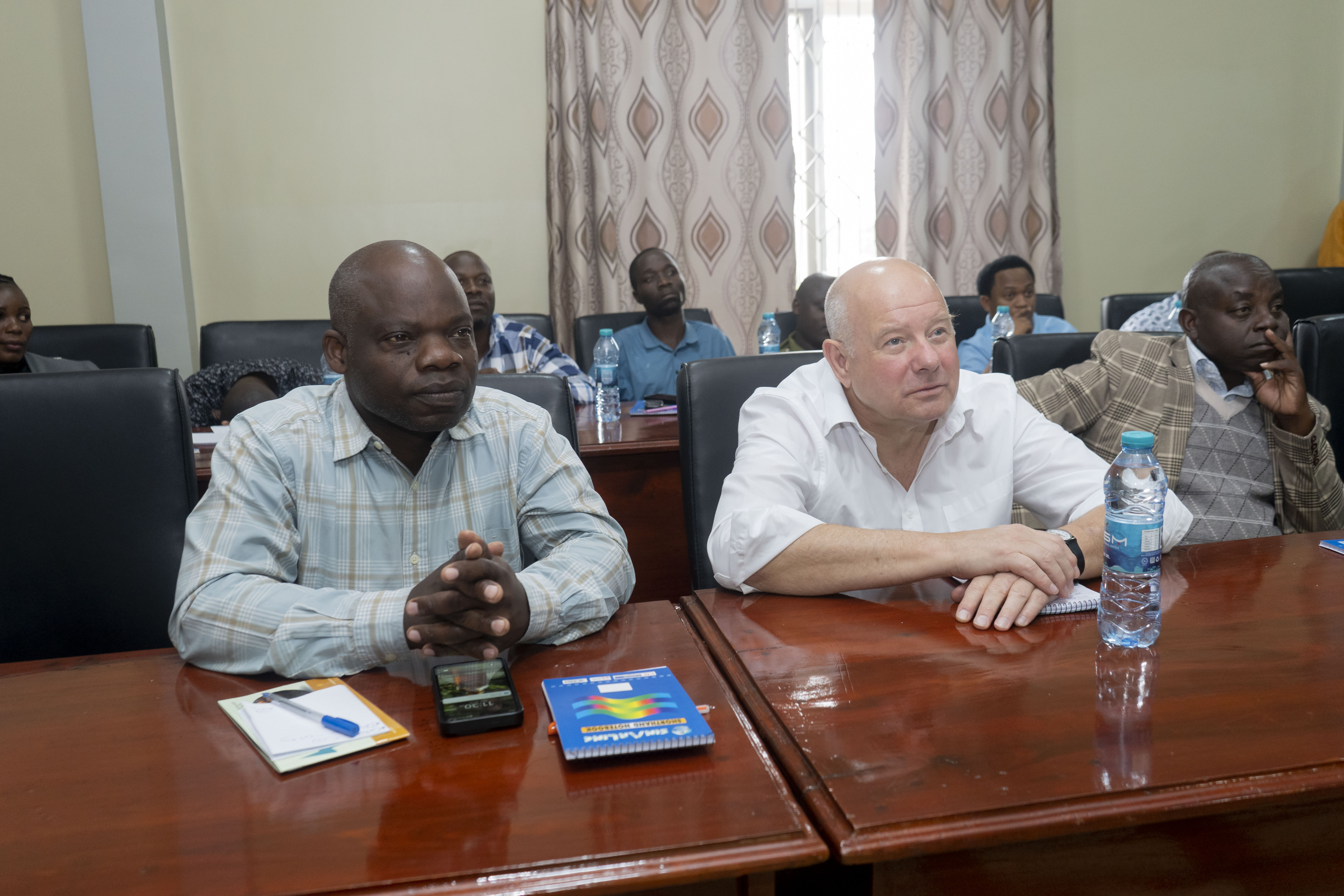
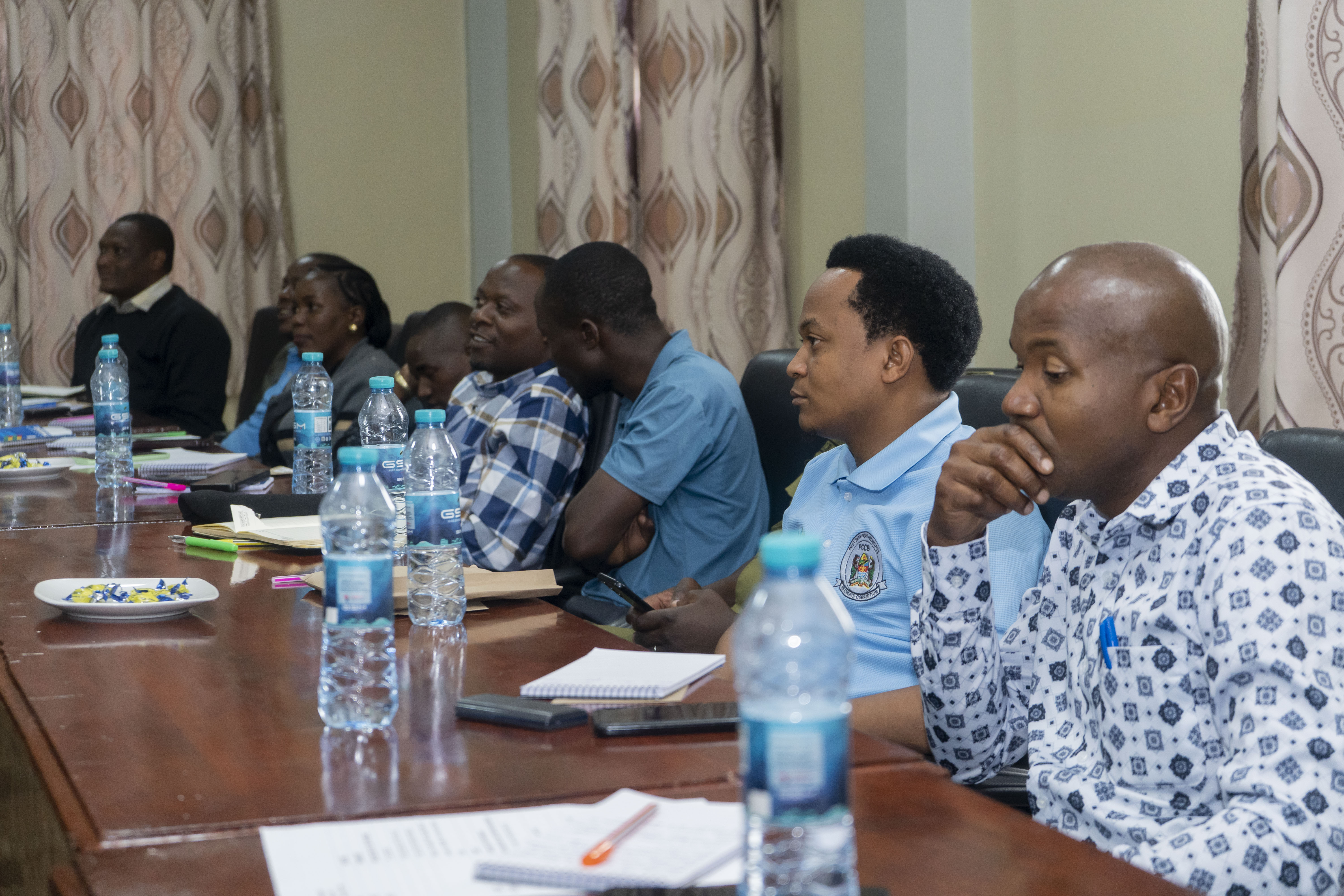
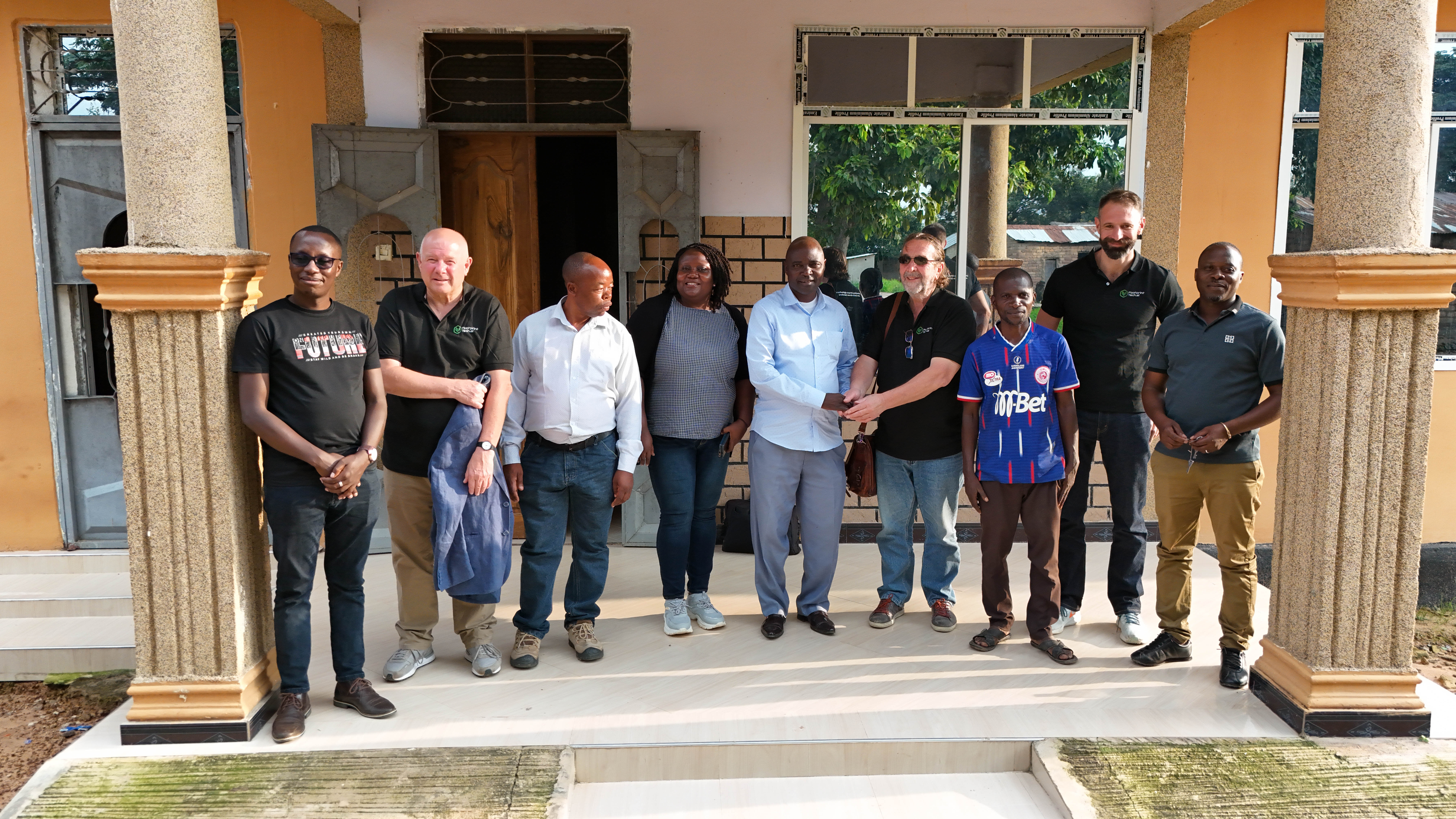
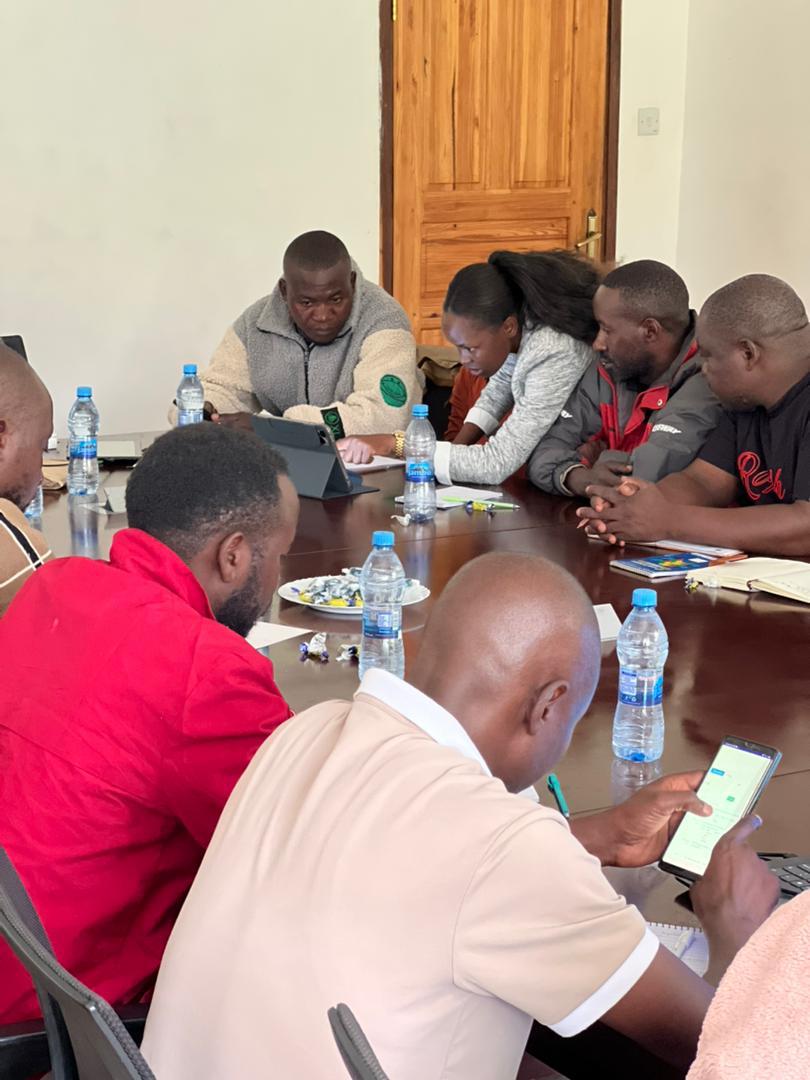
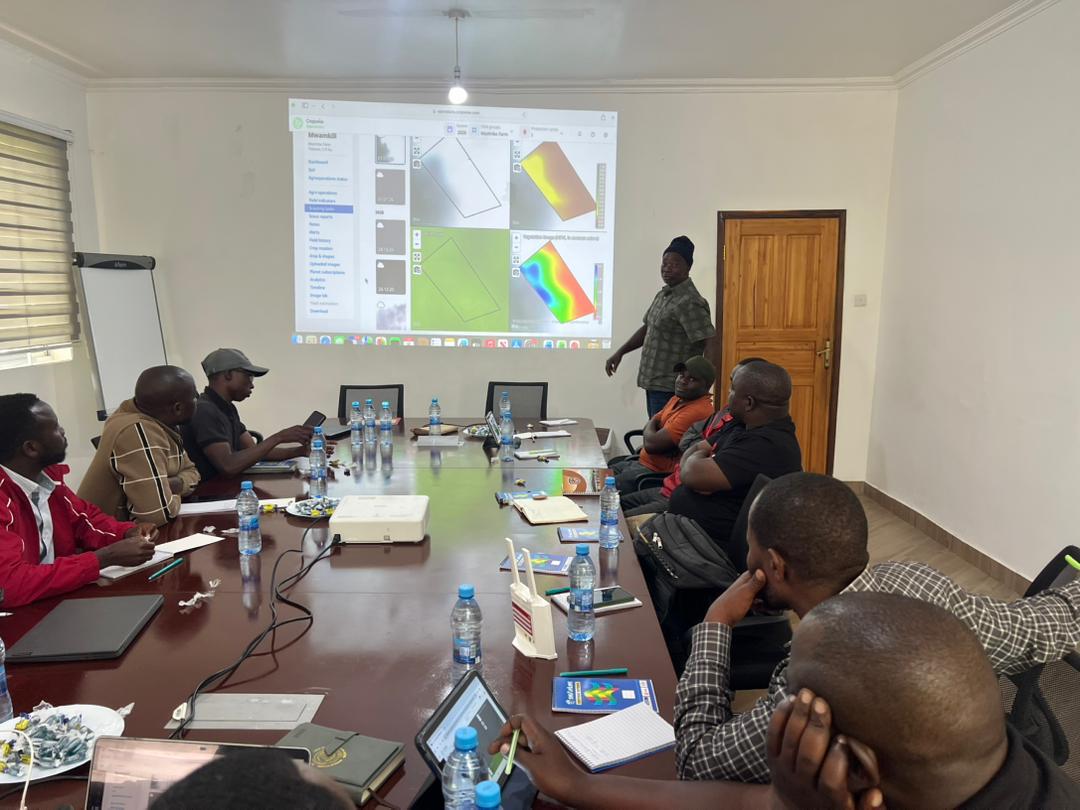
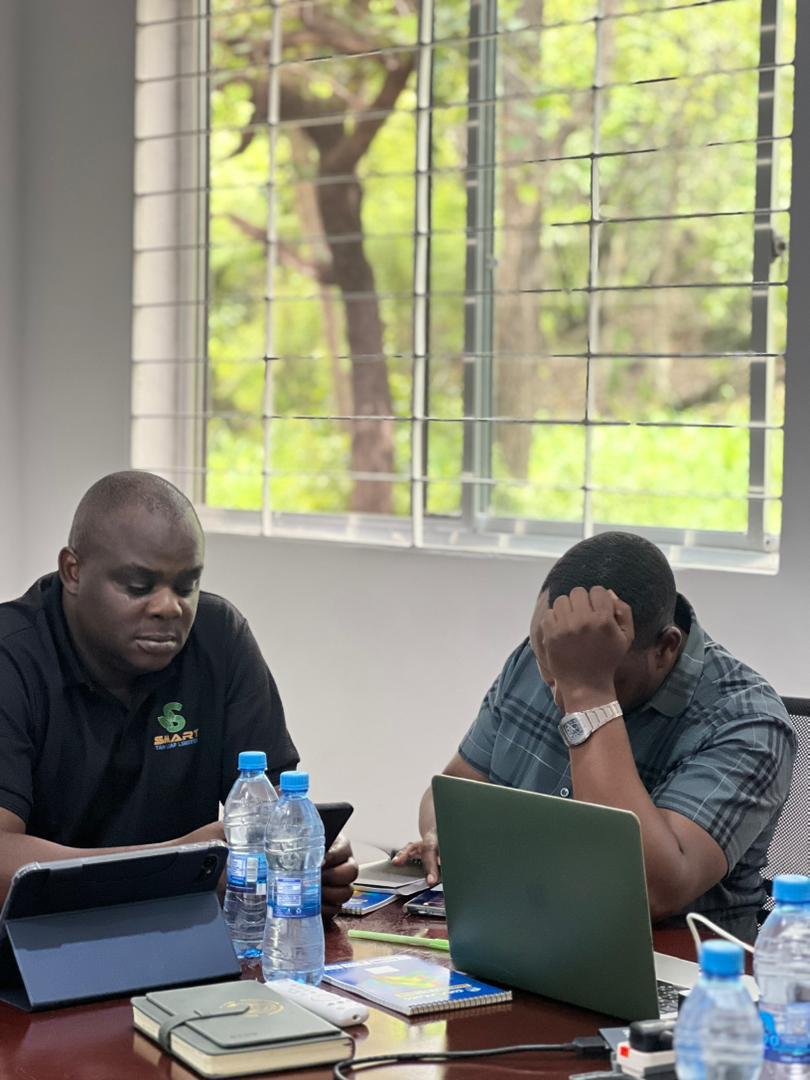
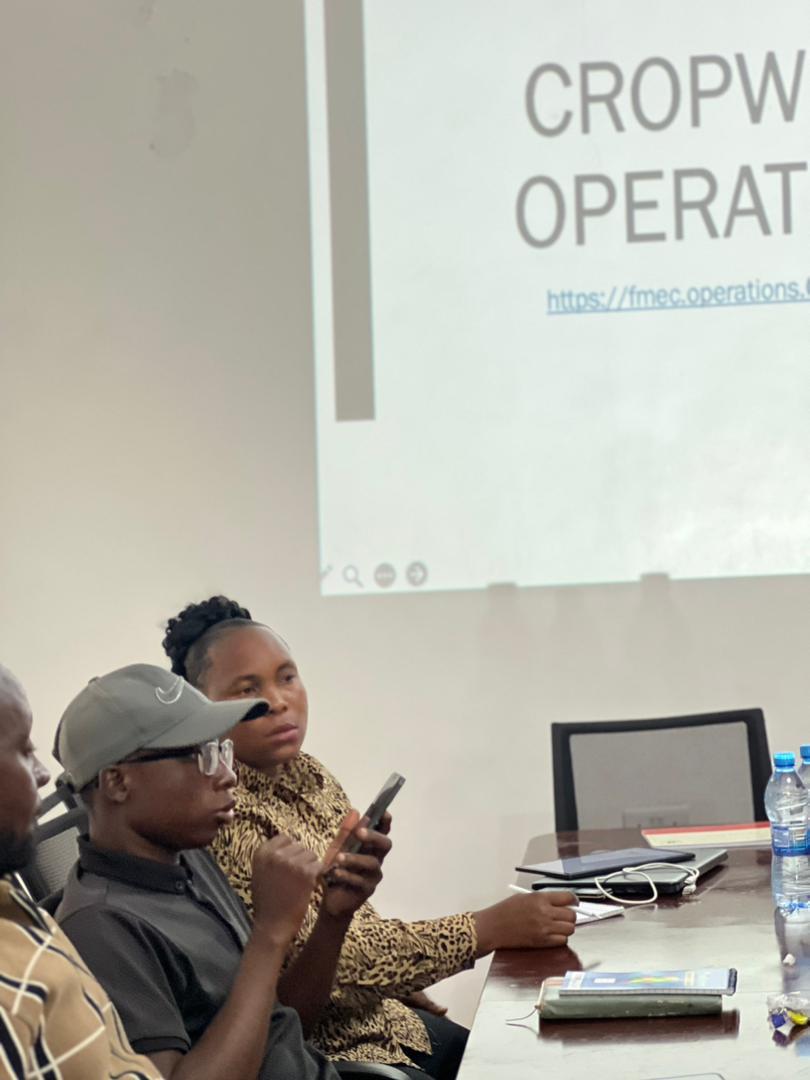
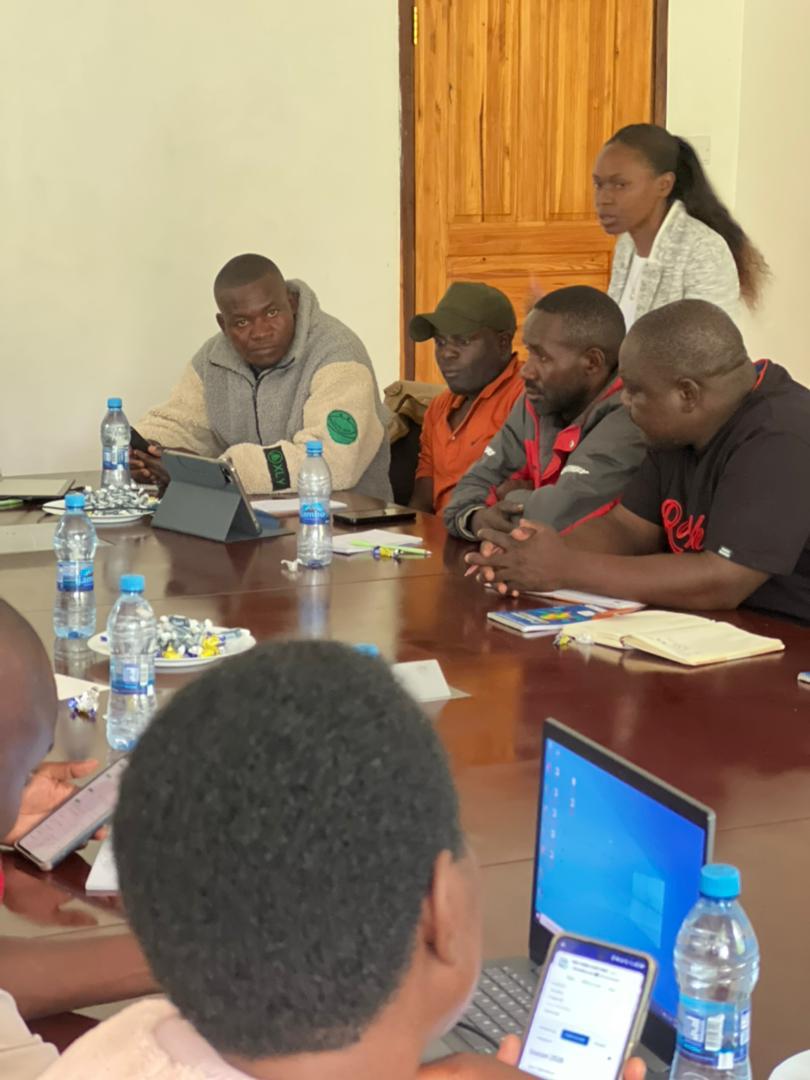
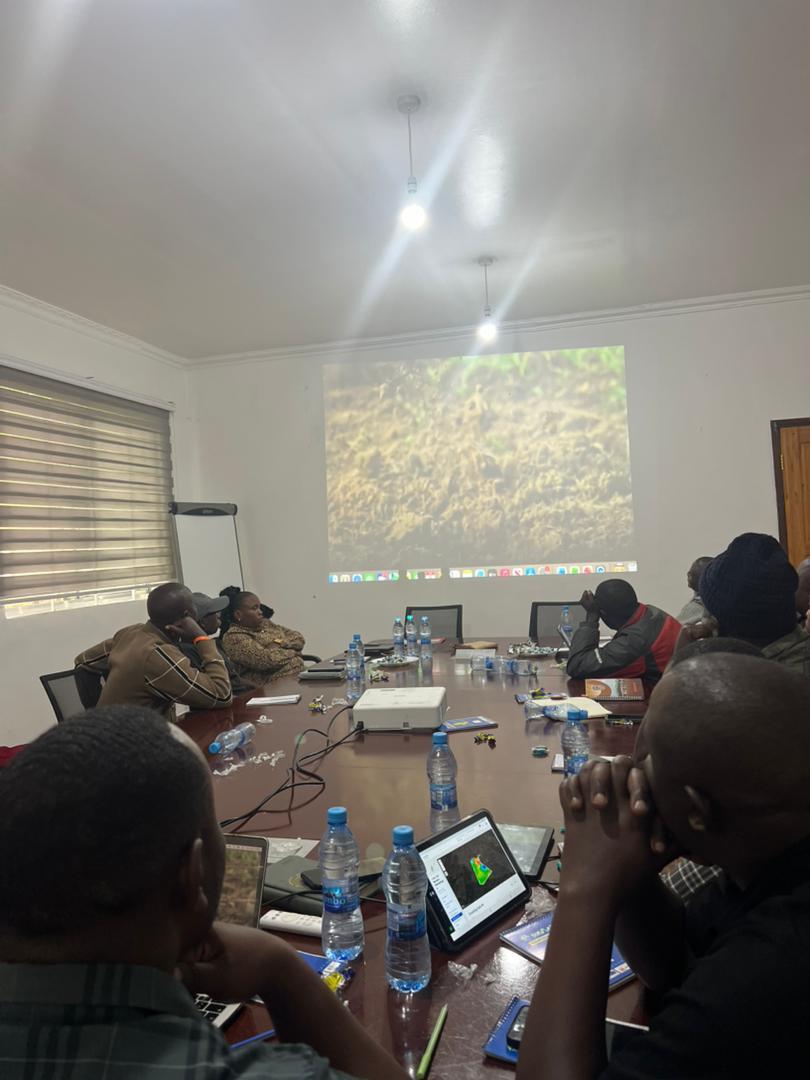
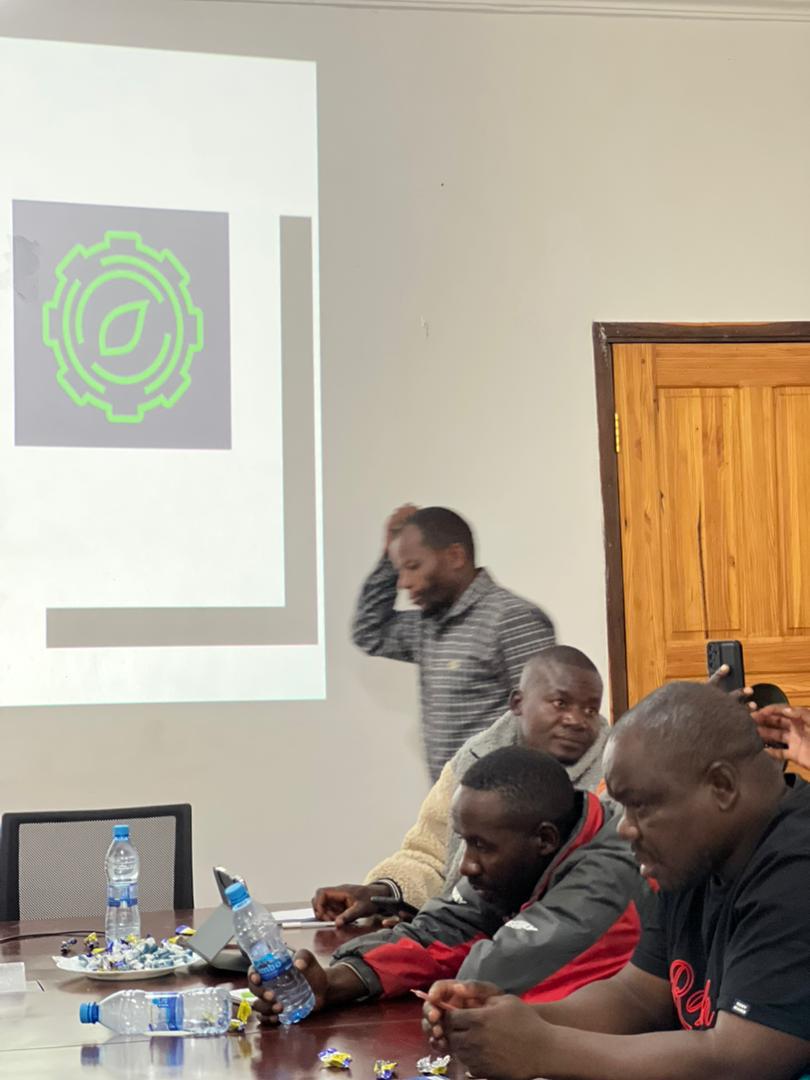
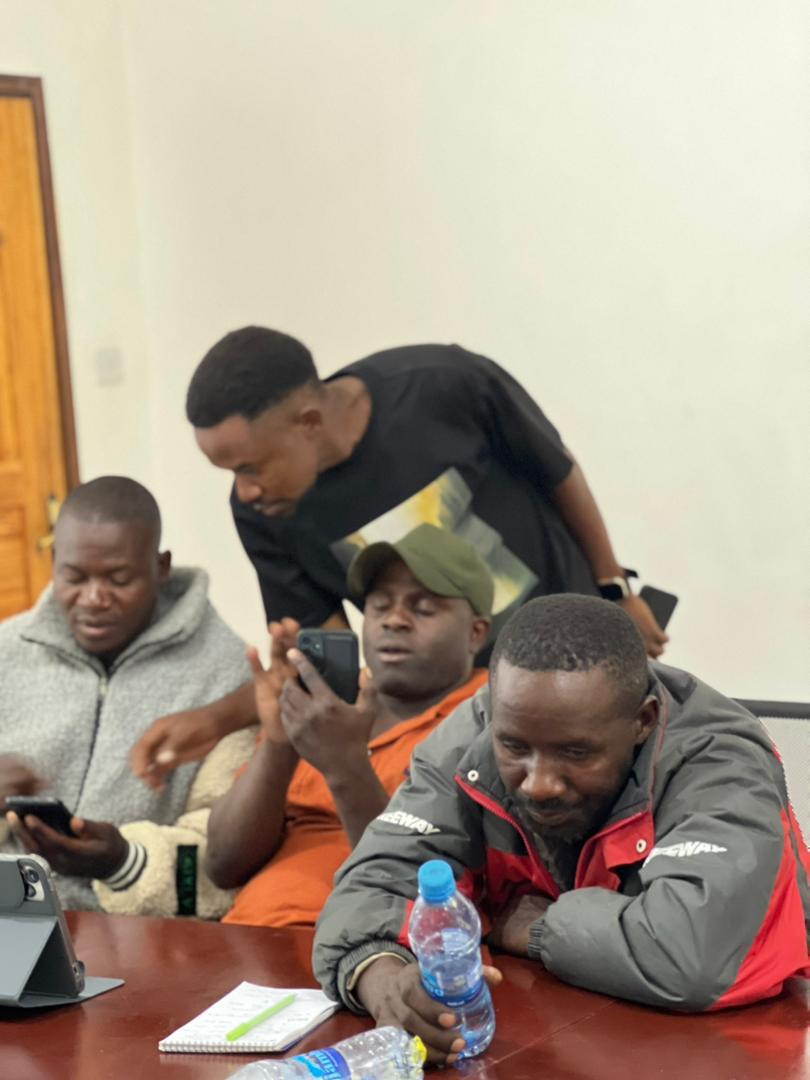
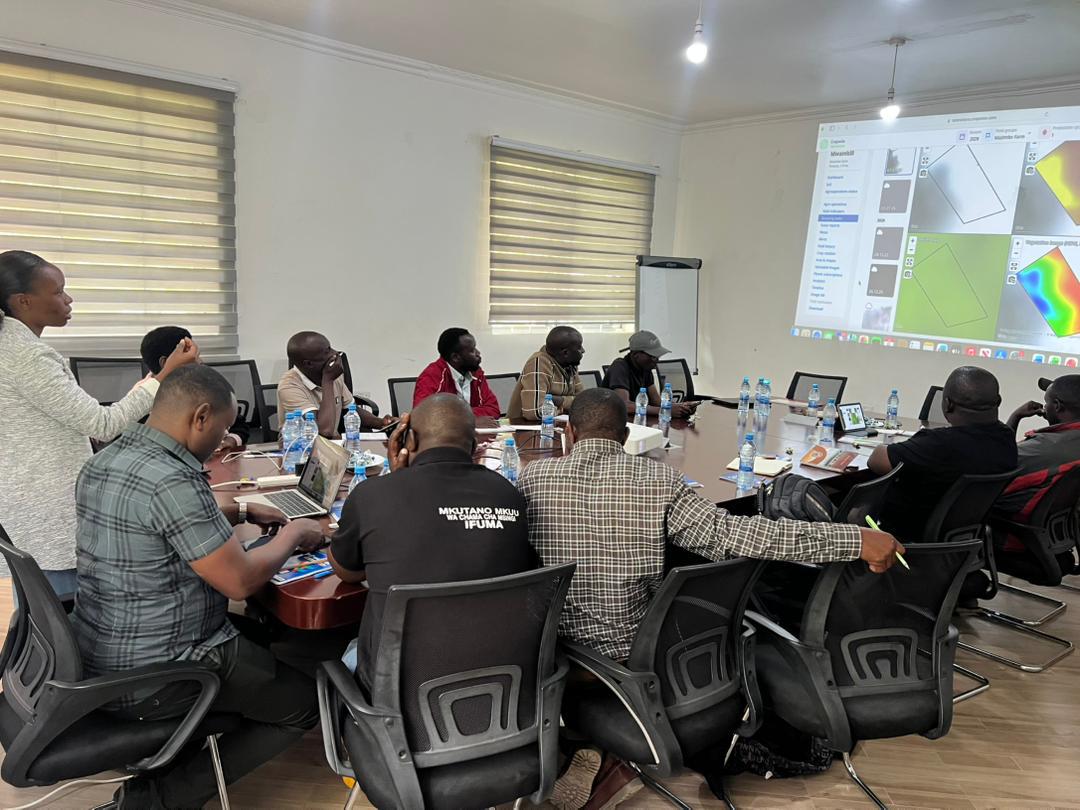
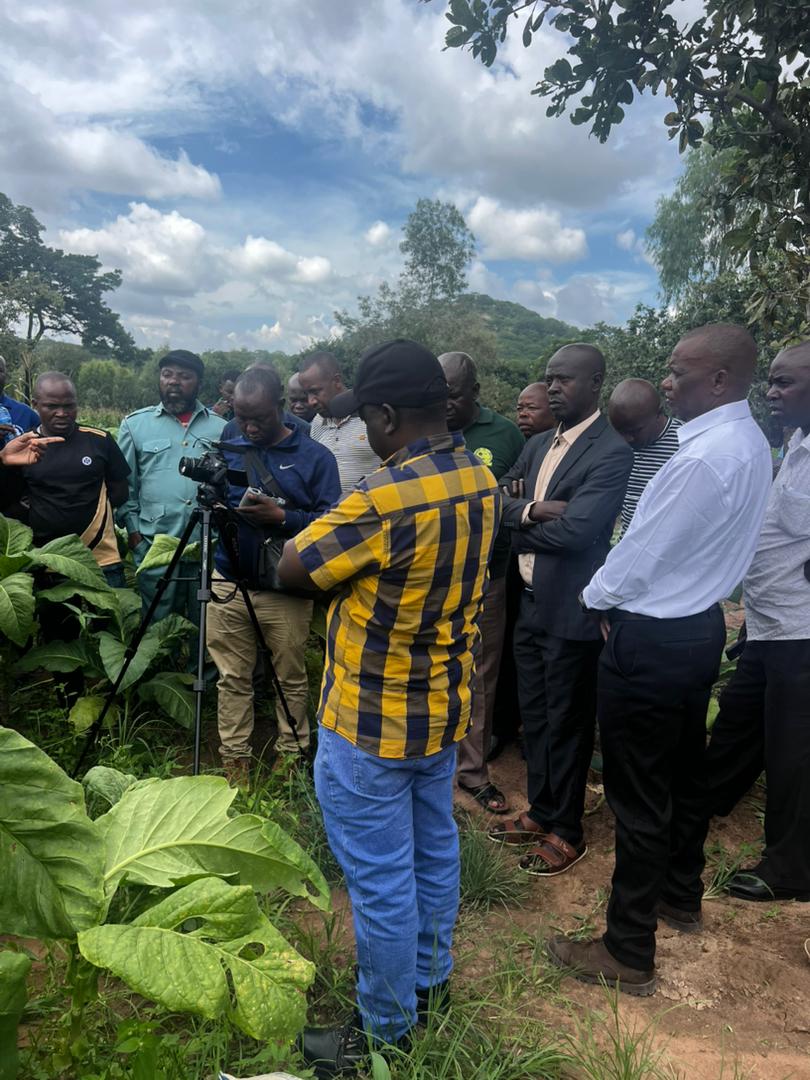
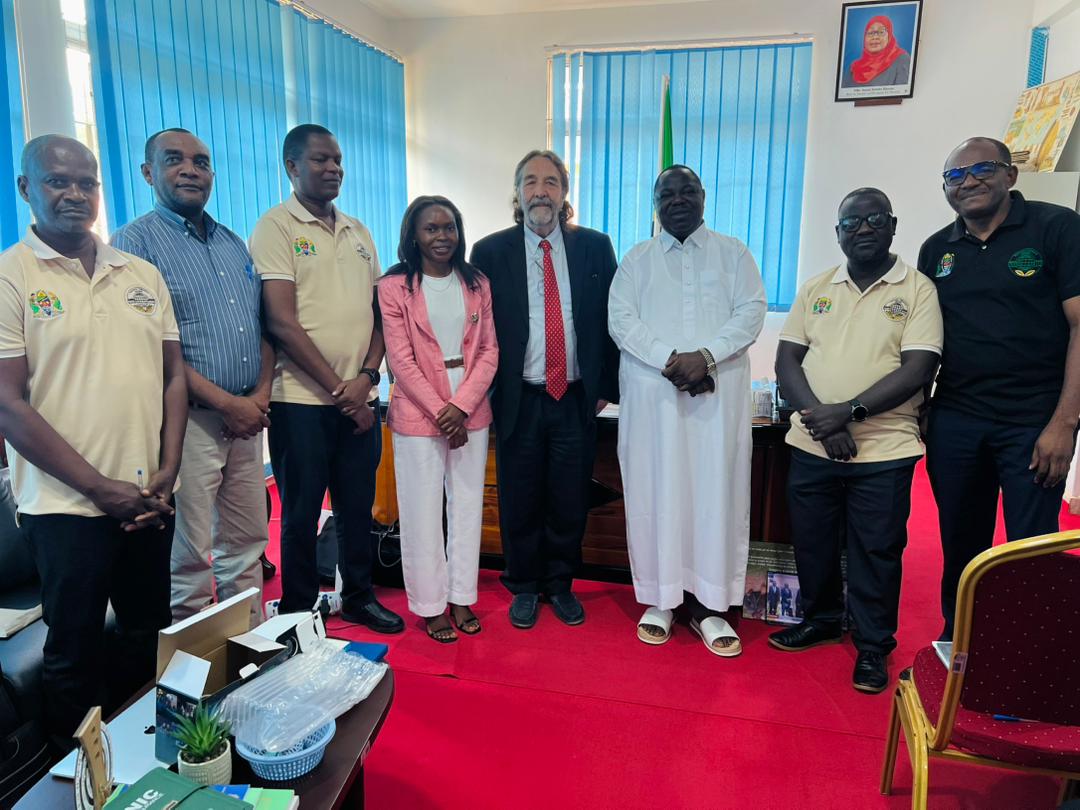
A strategic meeting was held in Mbeya - Chunya district to discuss ways of improving agricultural practices through the adoption of advanced technology. The session brought together key stakeholders including the Finenergy team, Footprint Tech team, the District Commissioner, and Cooperative Union officers.
The discussion focused on identifying existing challenges within the tobacco value chain, ranging from soil productivity and input management to post-harvest handling and market efficiency. Participants shared practical insights based on field experience and institutional knowledge.
Emphasis was placed on how digital agriculture solutions and data-driven tools can enhance decision-making, improve efficiency, and support farmers with more accurate and timely information. The meeting highlighted the importance of collaboration between technology providers, government institutions, and farmer organizations.
Overall, the engagement created a strong foundation for future cooperation aimed at modernizing agricultural practices and improving productivity through innovation and shared responsibility.
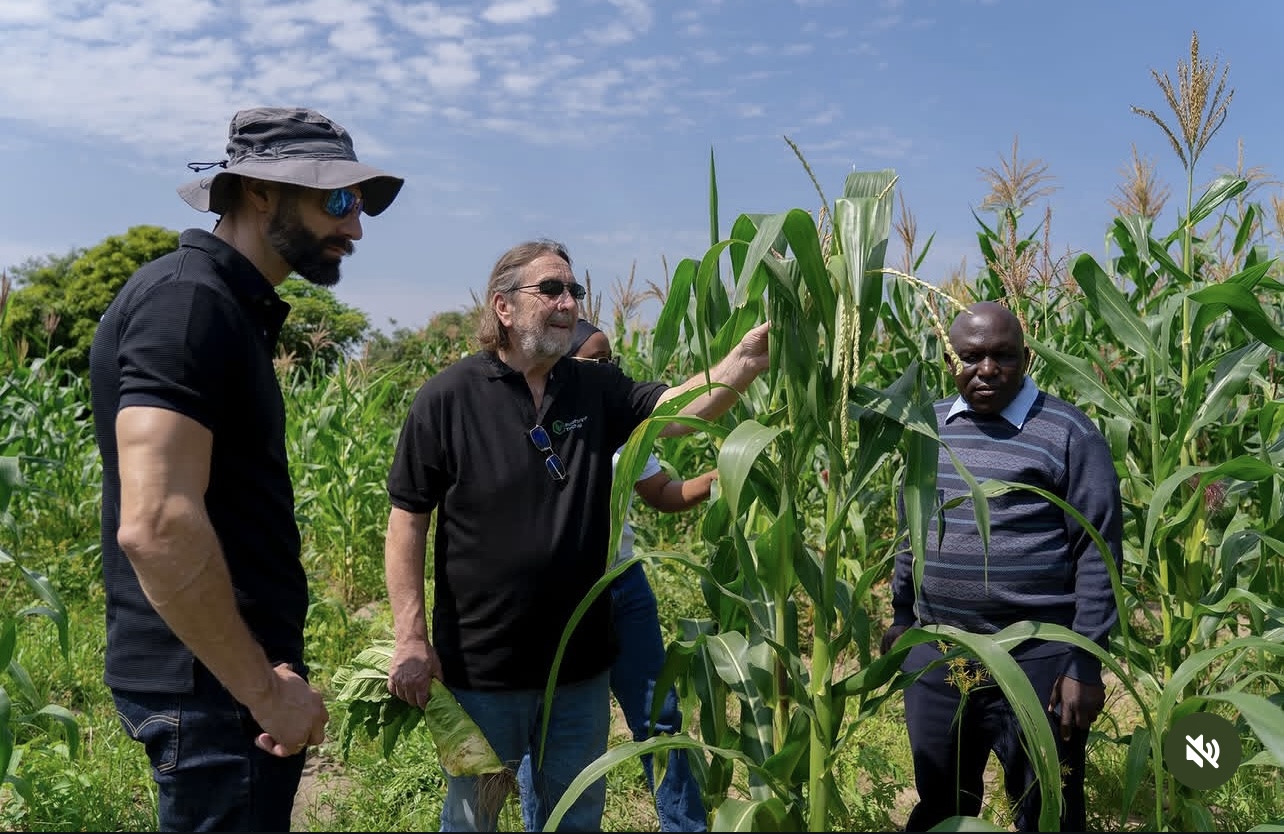
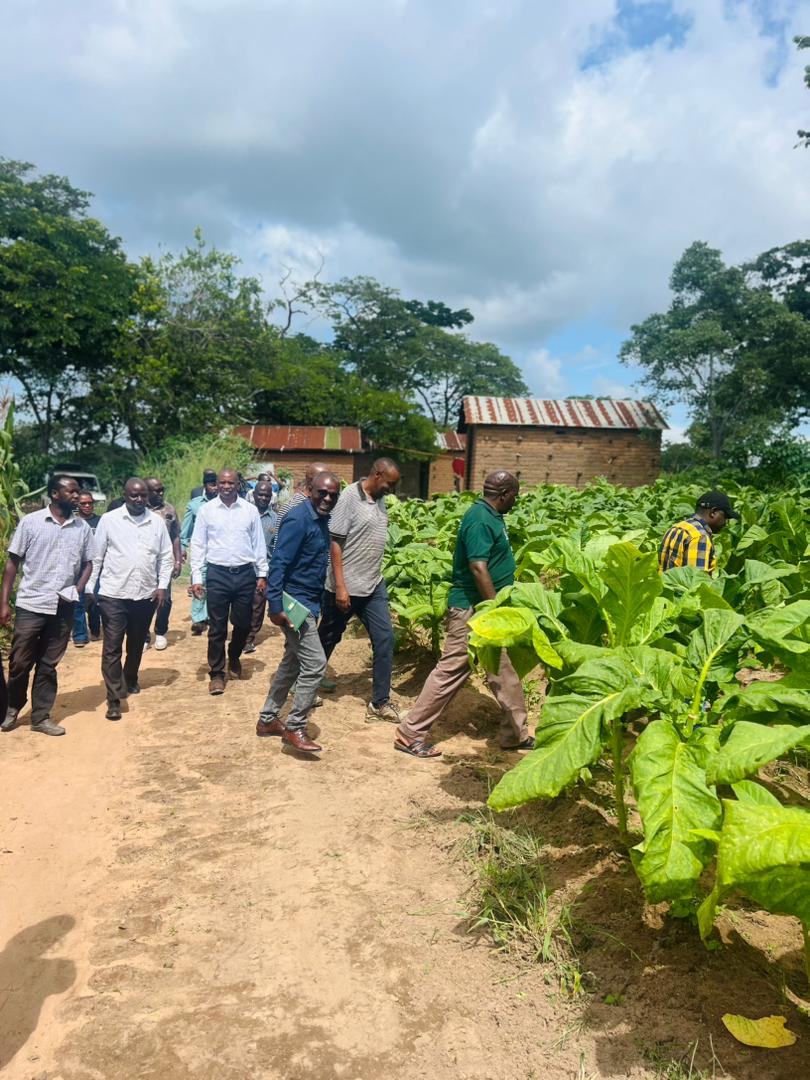
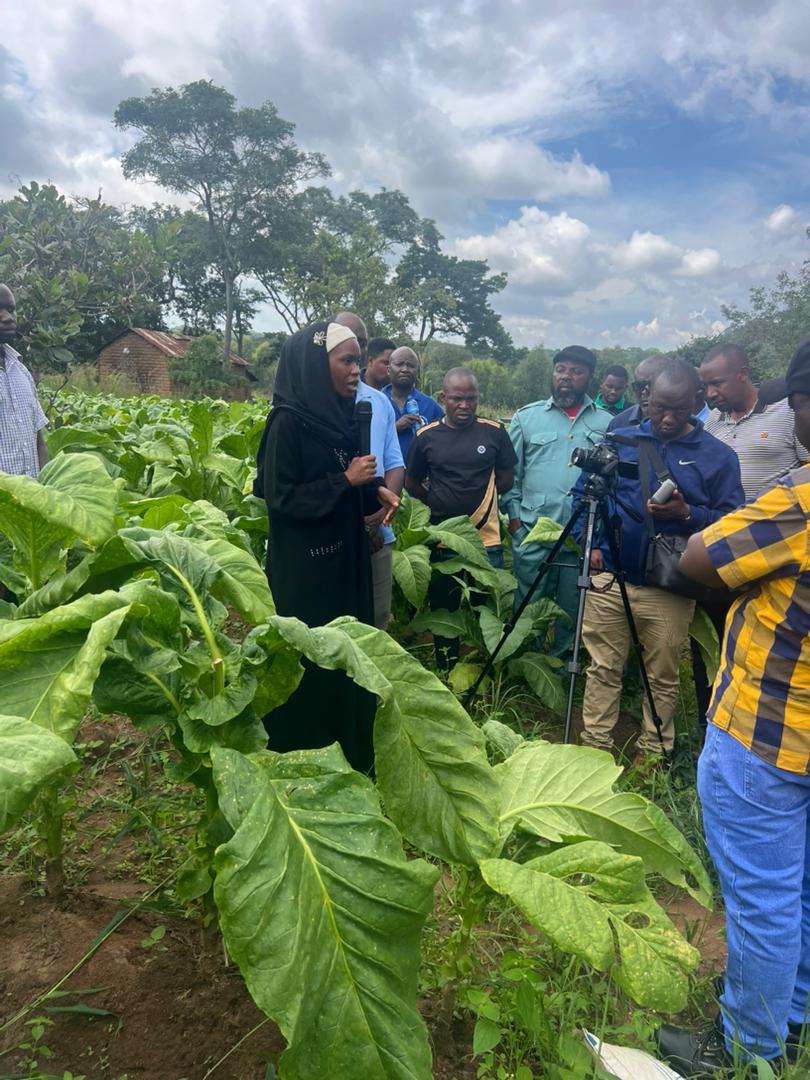
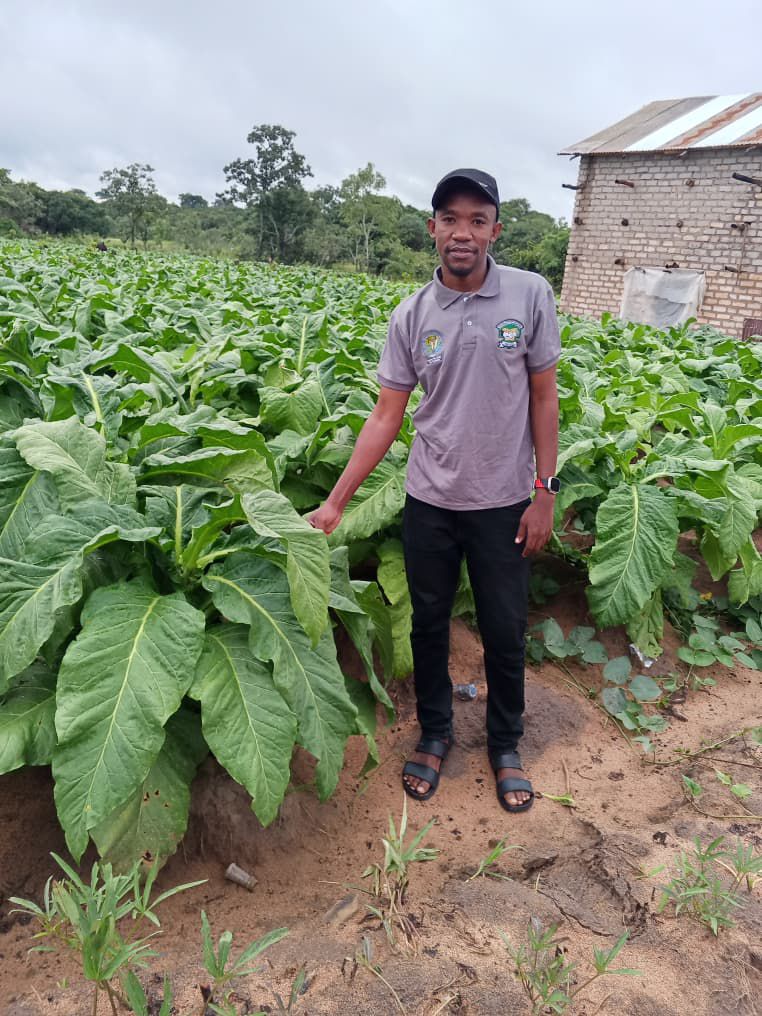
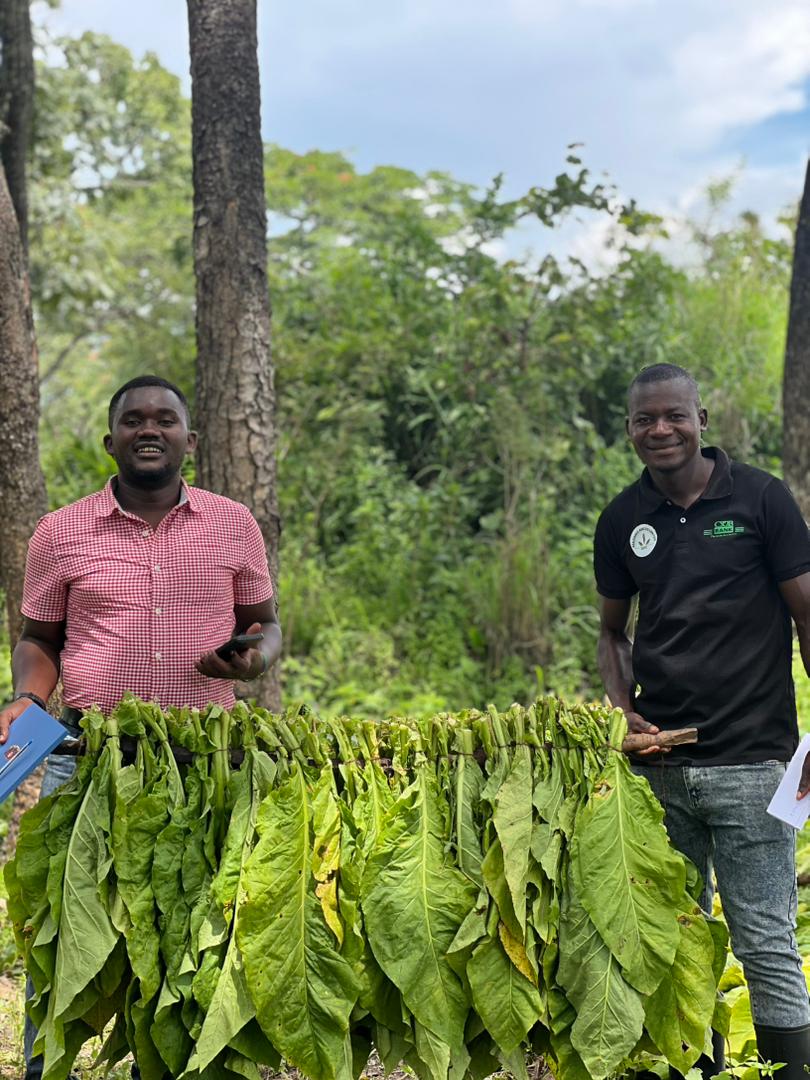
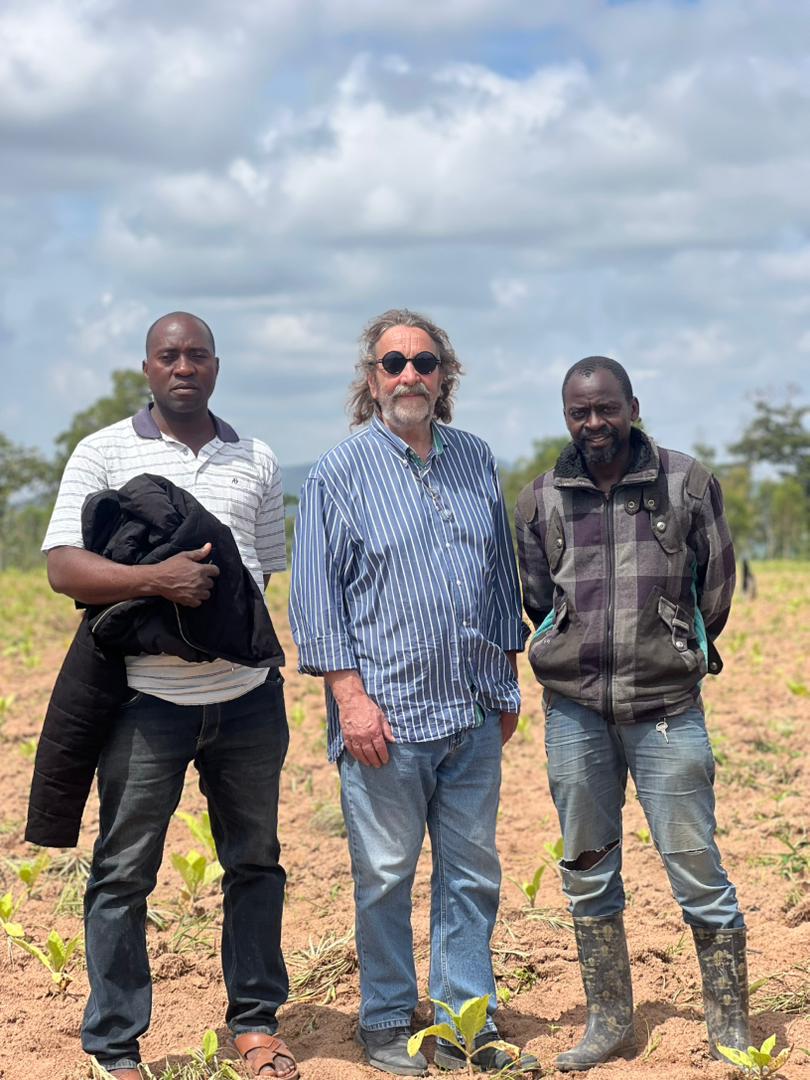
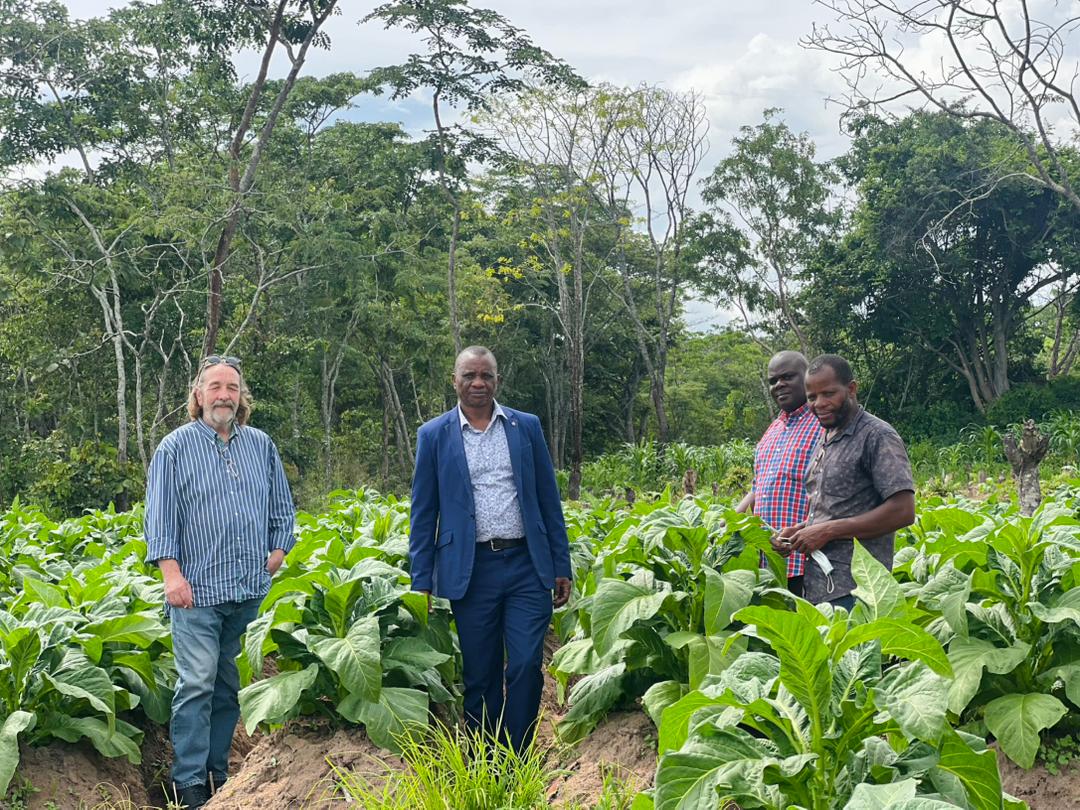
Our journey took us to the tobacco farms of Chunya, where the vision of smart agriculture met the reality of everyday farming. Surrounded by vast fields and fertile soil, the visit created an opportunity to engage directly with farmers and understand their challenges, cultivation practices, and expectations.
Walking through the farms allowed us to observe current farming methods, soil conditions, fertilizer use, and resource management. These firsthand insights became essential in shaping how Crop Vision could support productivity and sustainability through practical and accessible technology.
The visit became more than an assessment, it became a collaboration. Conversations with farmers highlighted the importance of data-driven solutions that are simple to adopt while delivering meaningful impact in the field.
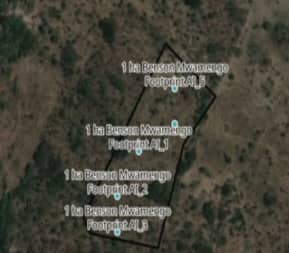
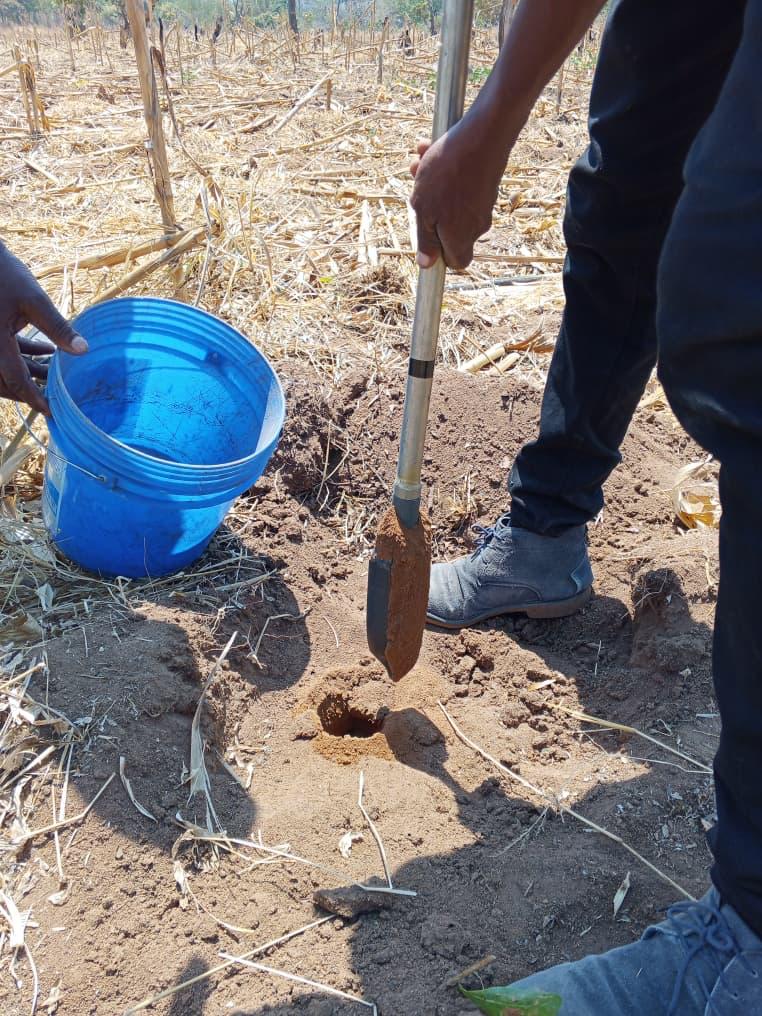
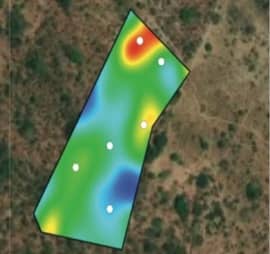
The process of soil sample collection for each farm was guided by satellite imagery analysis generated through the Cropvision platform. This technology enabled the identification of specific sampling zones by analysing variations in vegetative growth across the fields. The system also incorporates historical satellite data covering a period of up to ten (10) years, providing a comprehensive overview of long-term farm performance and variability.
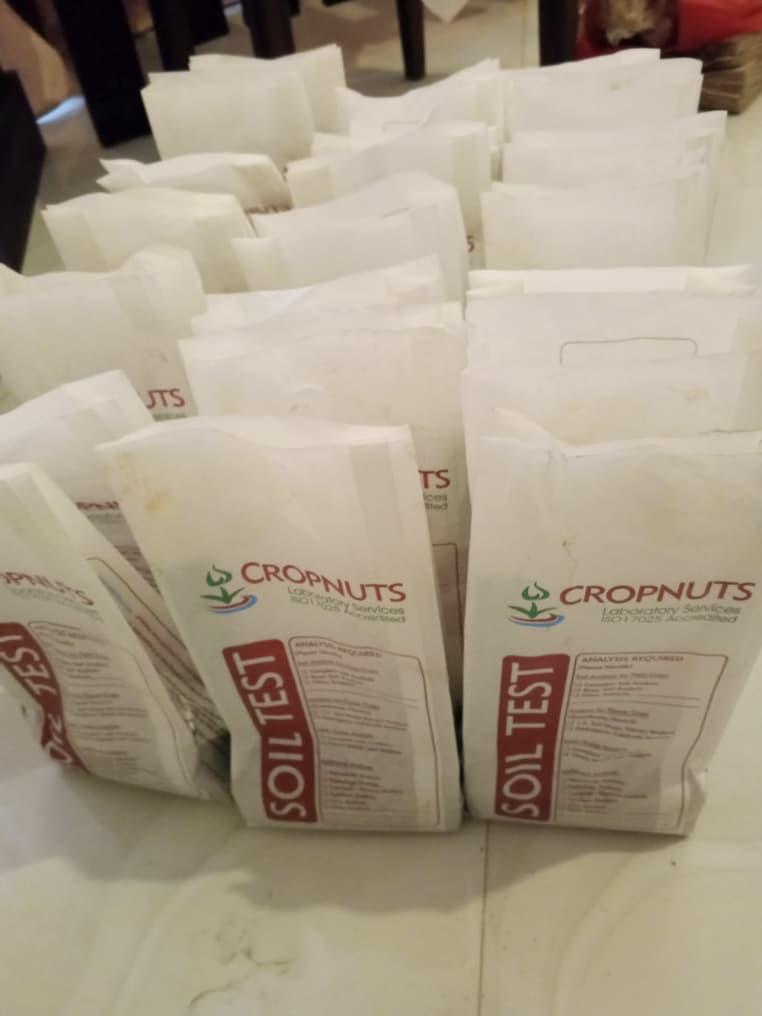
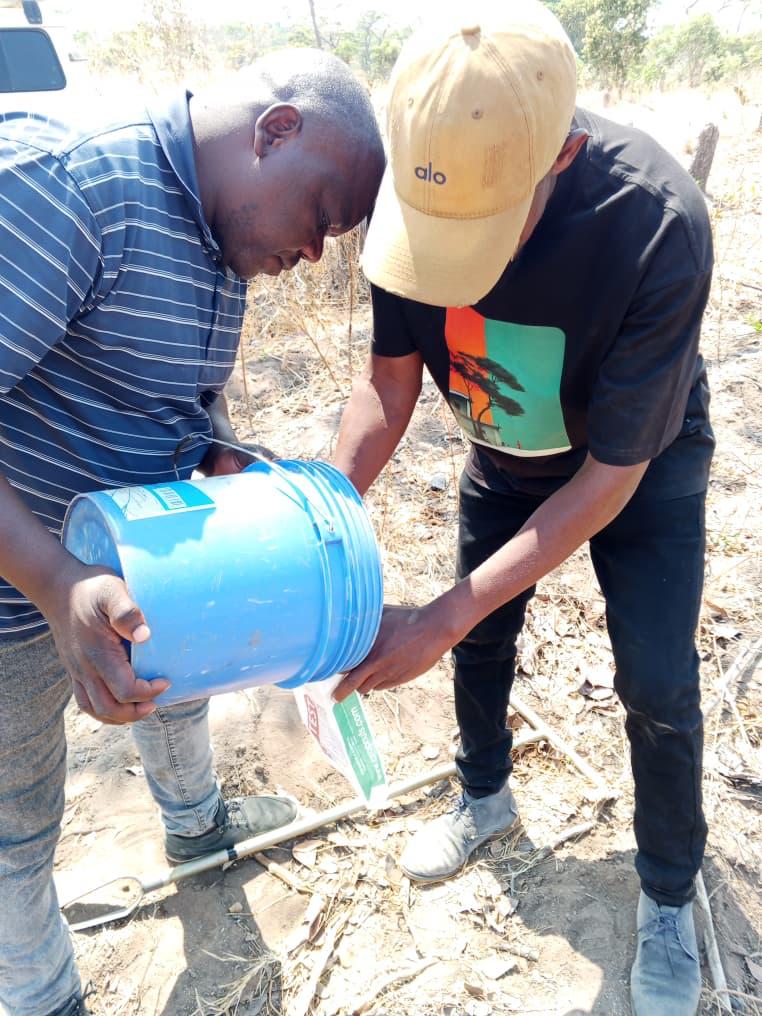
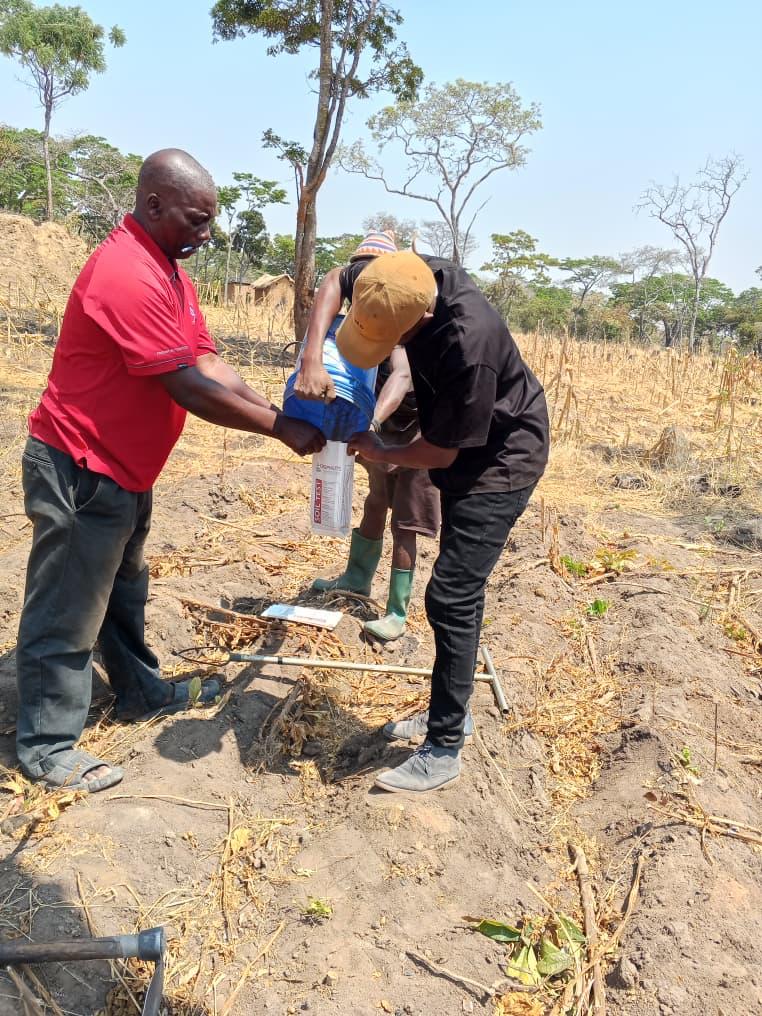
Based on this analysis, representative sampling locations were selected within each farm. From these designated areas, soil samples were collected systematically, with samples taken at a depth of 30 cm and at a depth of 60 cm to capture both topsoil and subsoil conditions. Each sample collected from the identified points was carefully labelled and preserved separately to maintain traceability and integrity prior to laboratory analysis.
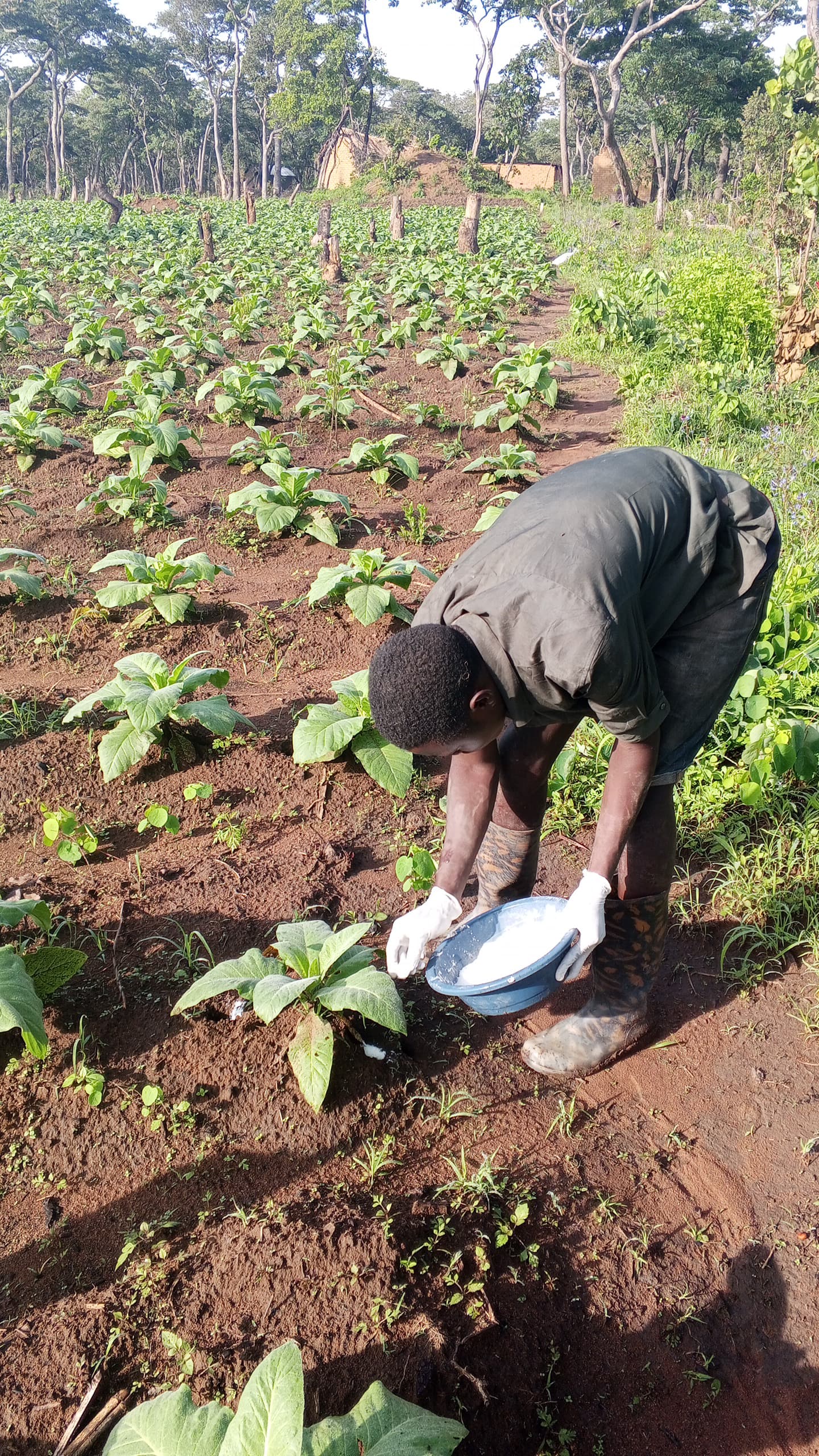
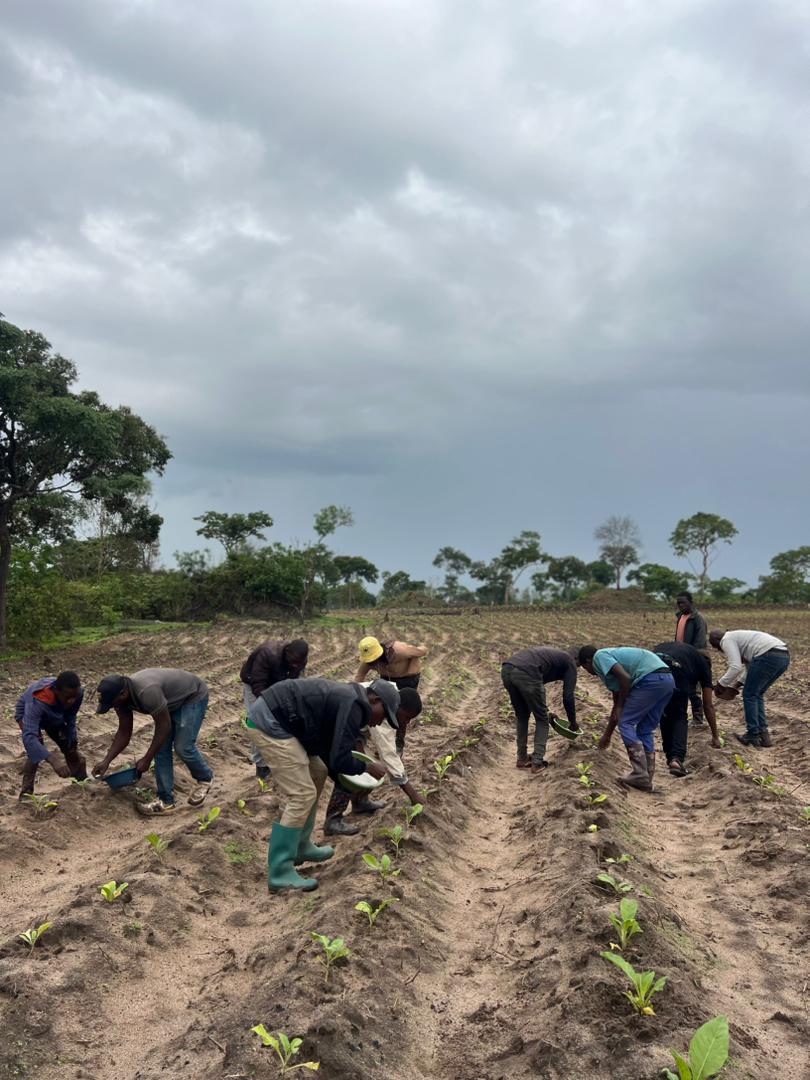
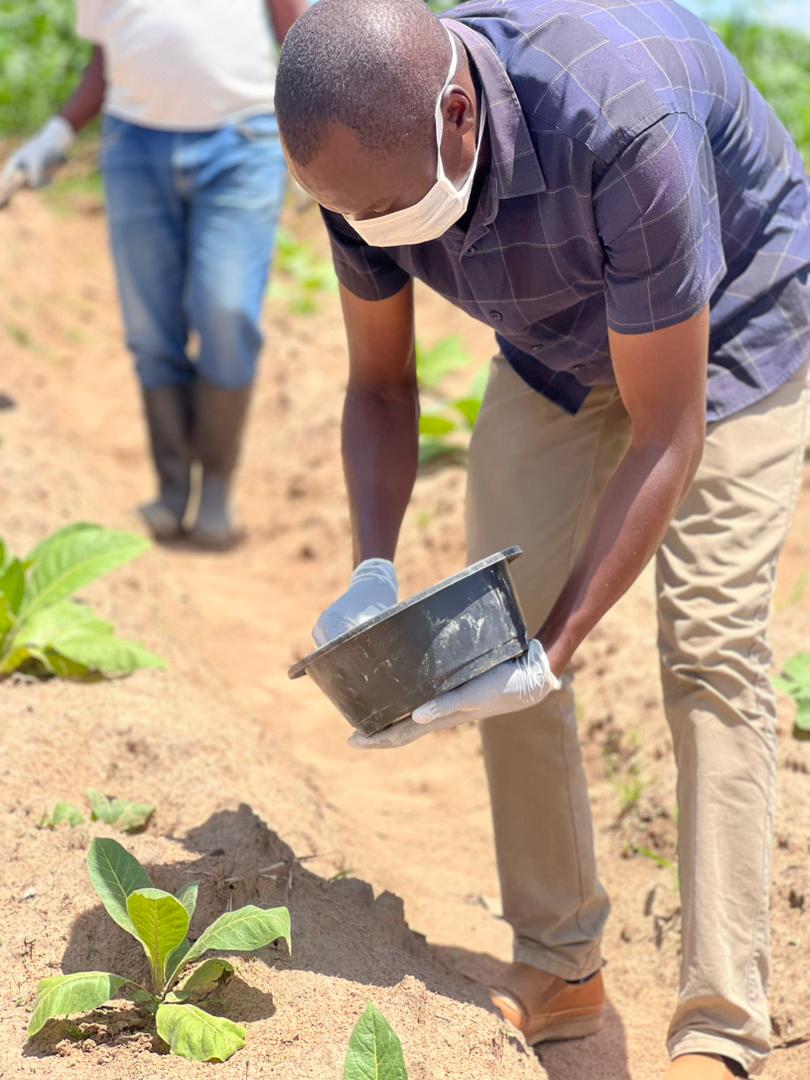
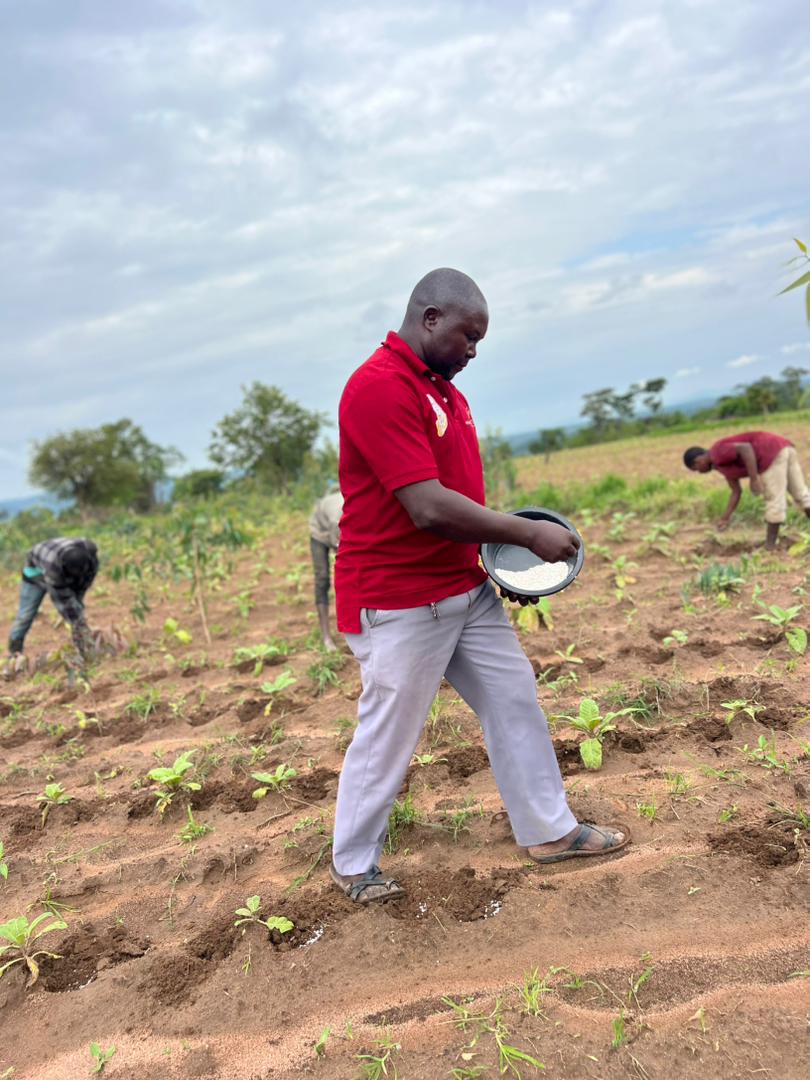
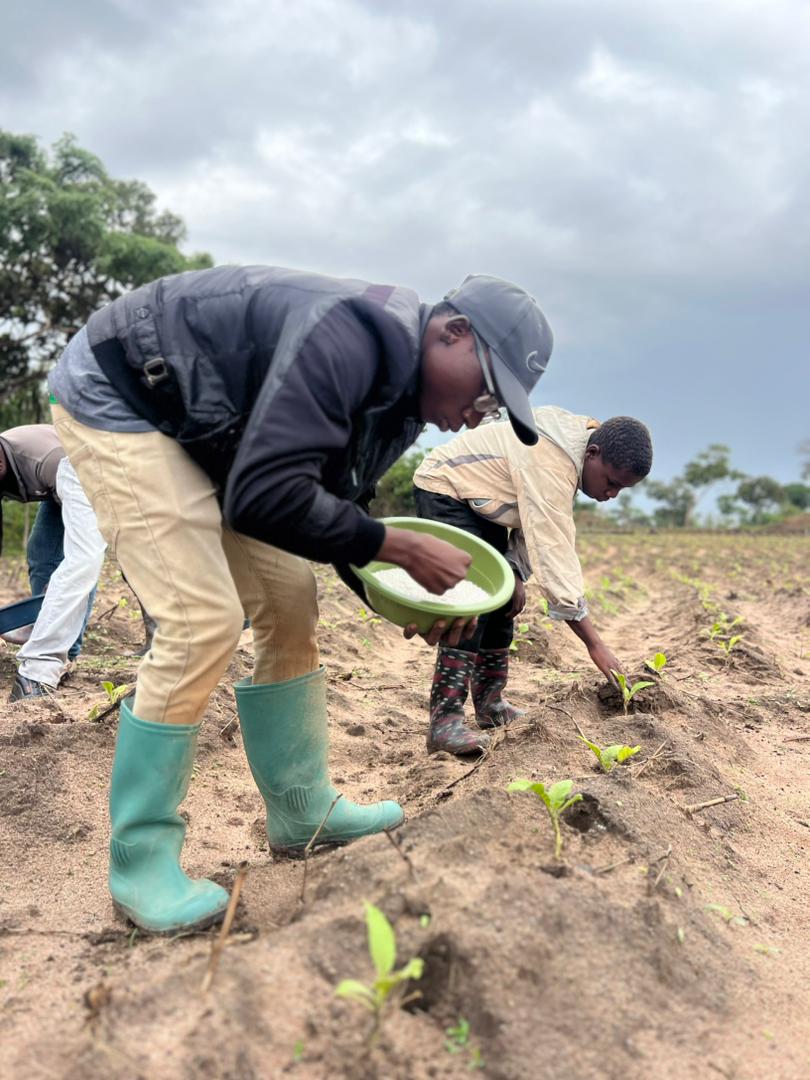
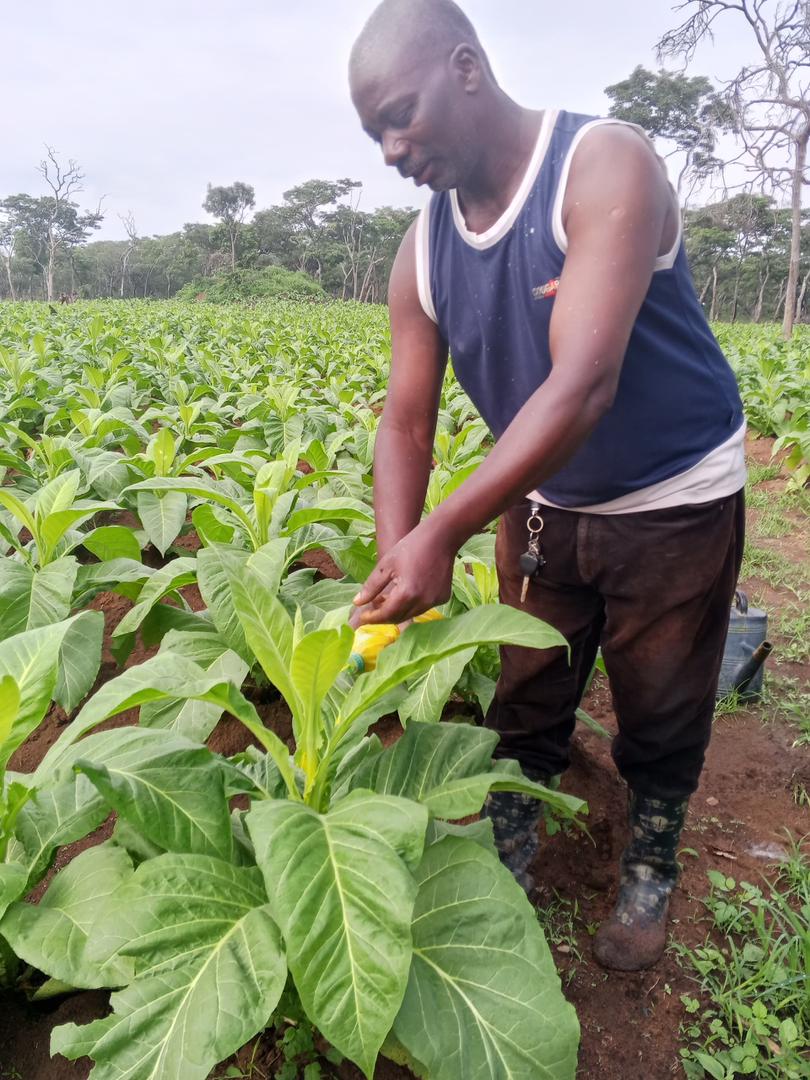
Before transplanting begins, proper soil treatment plays a critical role in creating a healthy foundation for crop growth. The application of fertilizer during land preparation helps restore essential nutrients, improve soil structure, and increase the soilâs ability to support strong root development. This process is especially important in areas where repeated farming activities may gradually reduce soil fertility and overall productivity. By treating the soil before planting, farmers can improve nutrient availability, enhance moisture retention, and create more balanced growing conditions for crops. Through practices like these, Crop Vision promotes sustainable agriculture by encouraging smarter soil management techniques that improve both productivity and long-term land health.
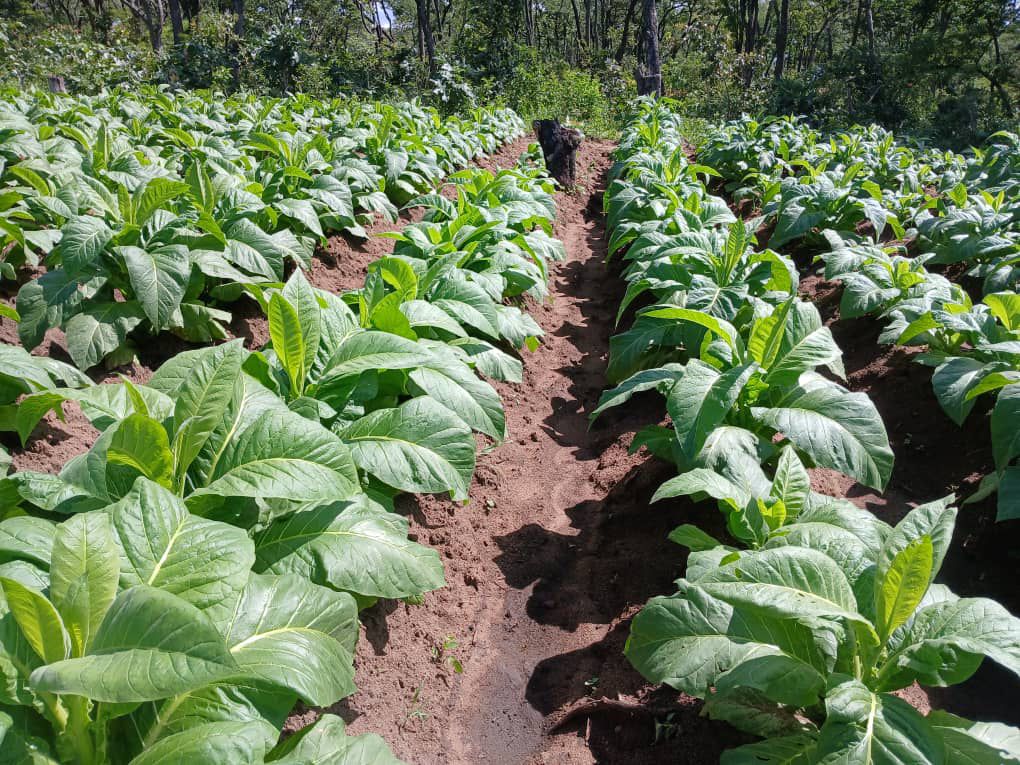
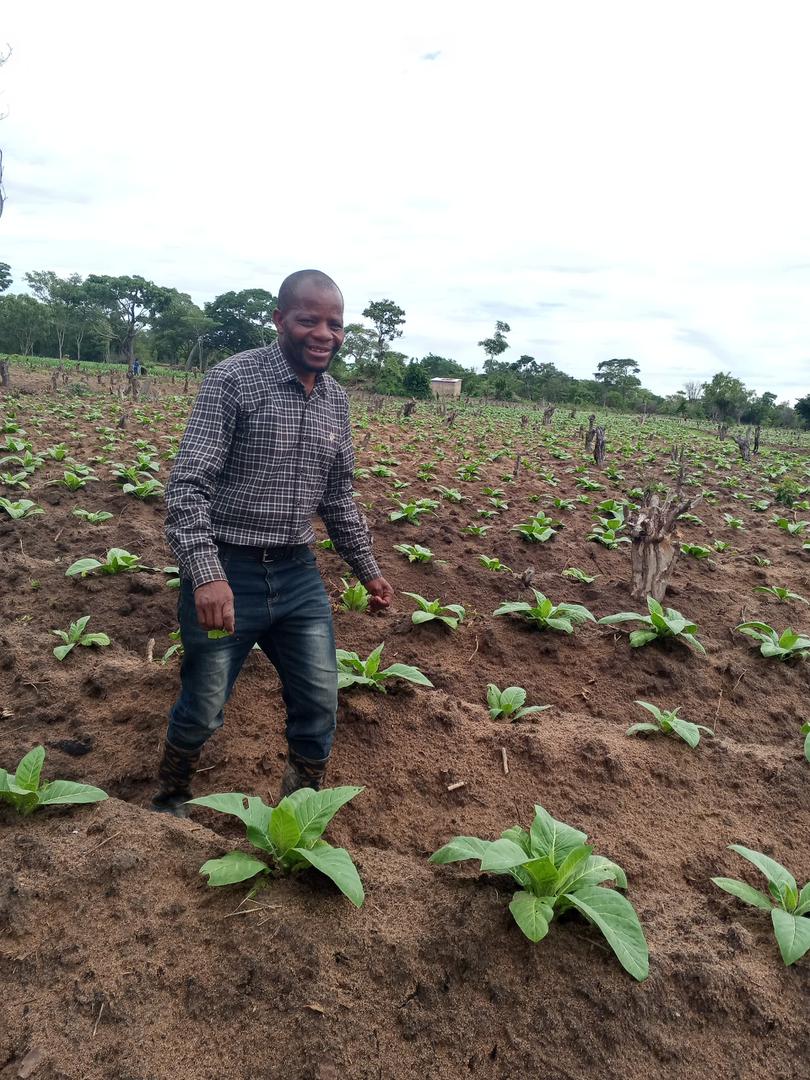
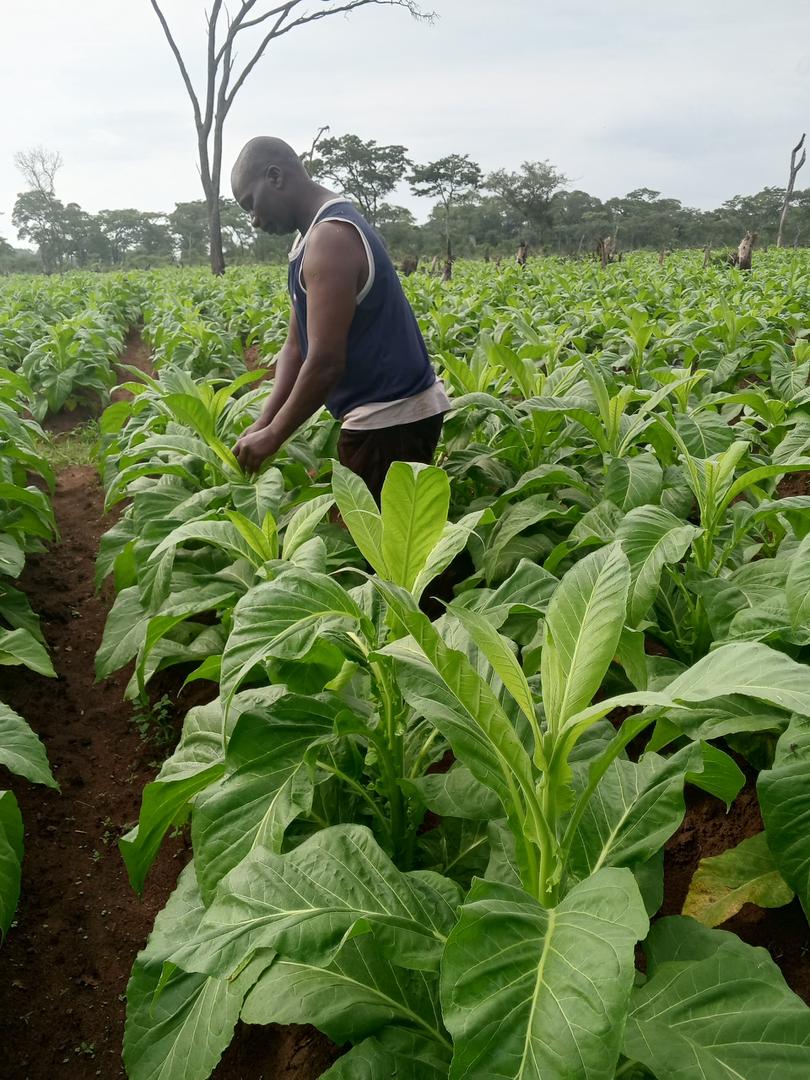
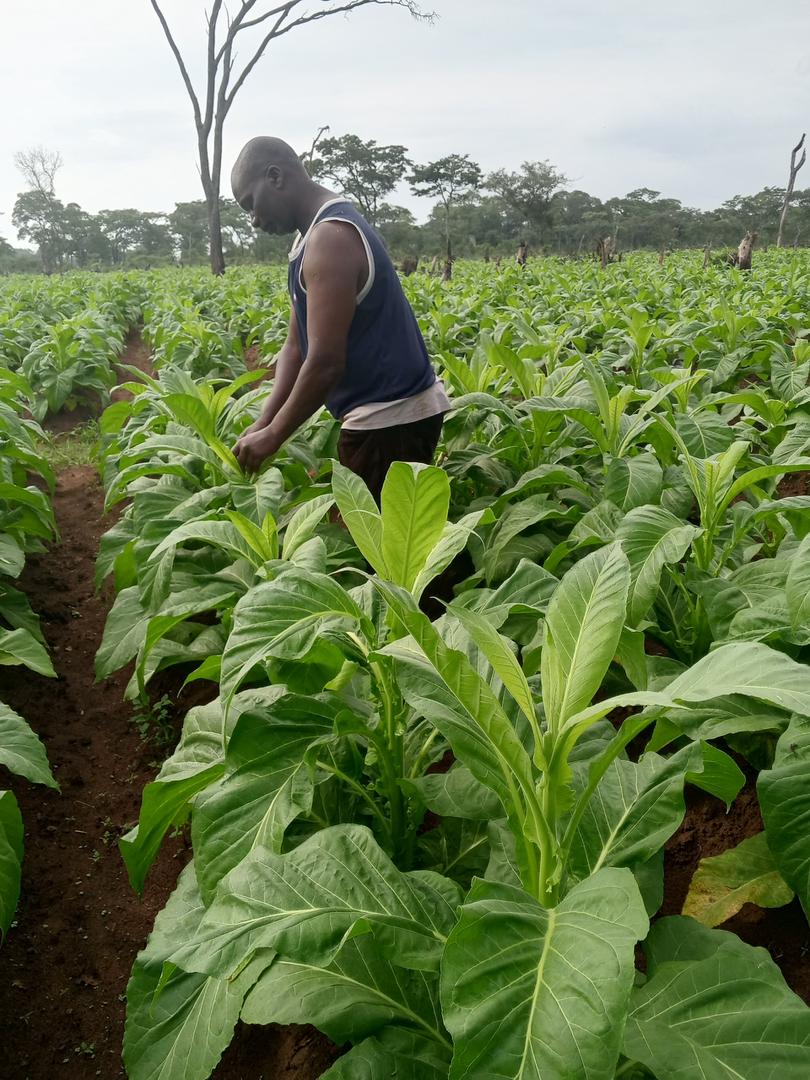
After transplanting, continued fertilizer application becomes essential for supporting crop establishment and healthy development. At this stage, nutrients help strengthen root systems, stimulate leaf growth, and improve the plantâs ability to adapt to field conditions after relocation. Carefully managed fertilizer application also contributes to uniform crop growth and higher productivity throughout the farming cycle. By monitoring nutrient requirements after transplanting, farmers can reduce stress on young plants while promoting healthier and more resilient crops. This approach reflects Crop Visionâs commitment to sustainable farming practices driven by efficiency, precision, and long-term agricultural success.
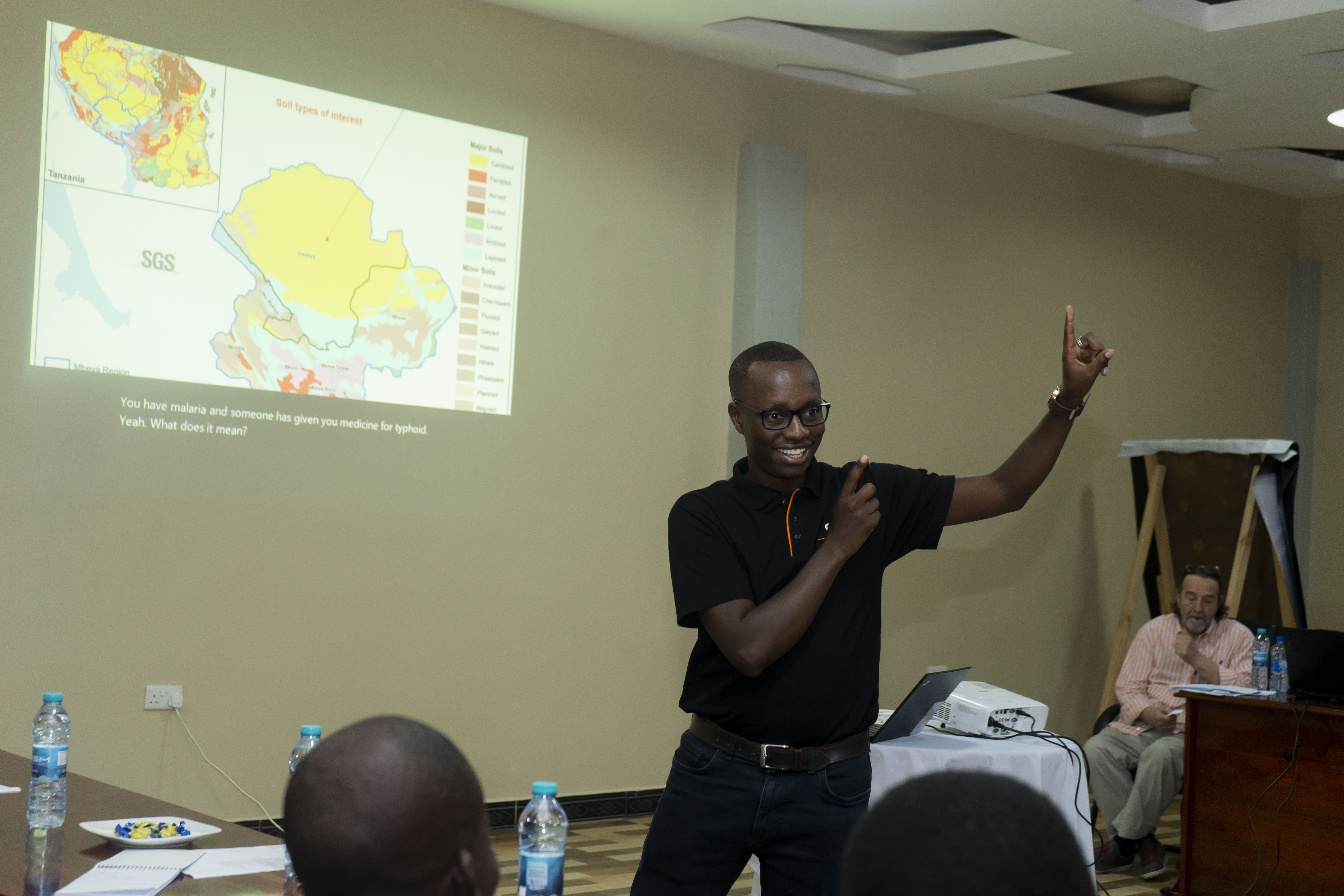
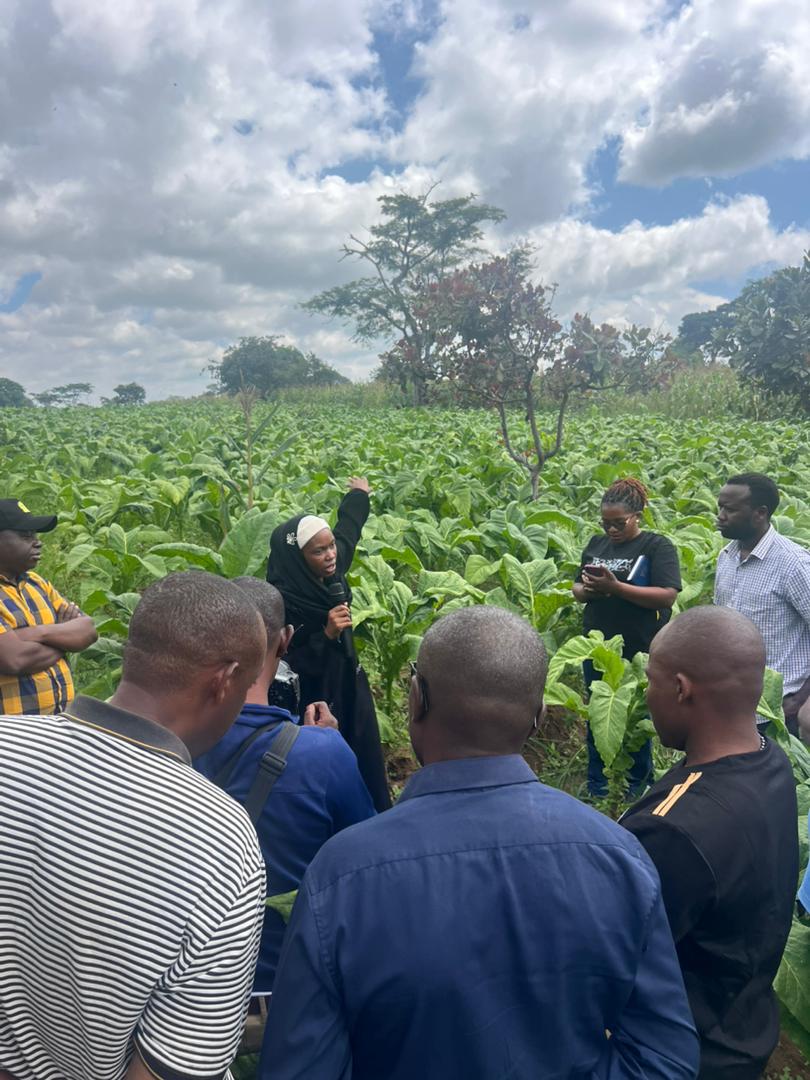
Crop Vision organized a comprehensive crop management training session aimed at strengthening agricultural knowledge and improving farming practices among key stakeholders in the tobacco value chain. The training brought together farmers, agronomists, AMCOS representatives, and TORITA representatives to encourage collaboration and knowledge sharing across the agricultural sector.
The sessions focused on important aspects of crop management including soil preparation, fertilizer application, crop nutrition, pest and disease management, irrigation practices, and sustainable farming techniques. Participants were also introduced to modern data-driven agricultural approaches designed to improve productivity and support better decision-making in the field.
Through practical discussions and field-oriented guidance, the training helped participants better understand how scientific farming methods can increase efficiency while protecting long-term soil health and crop quality. Special emphasis was placed on the importance of proper monitoring and timely intervention throughout the farming cycle.
The engagement created a valuable platform for farmers and agricultural stakeholders to exchange experiences, strengthen partnerships, and build capacity for smarter and more sustainable agricultural development within their communities.
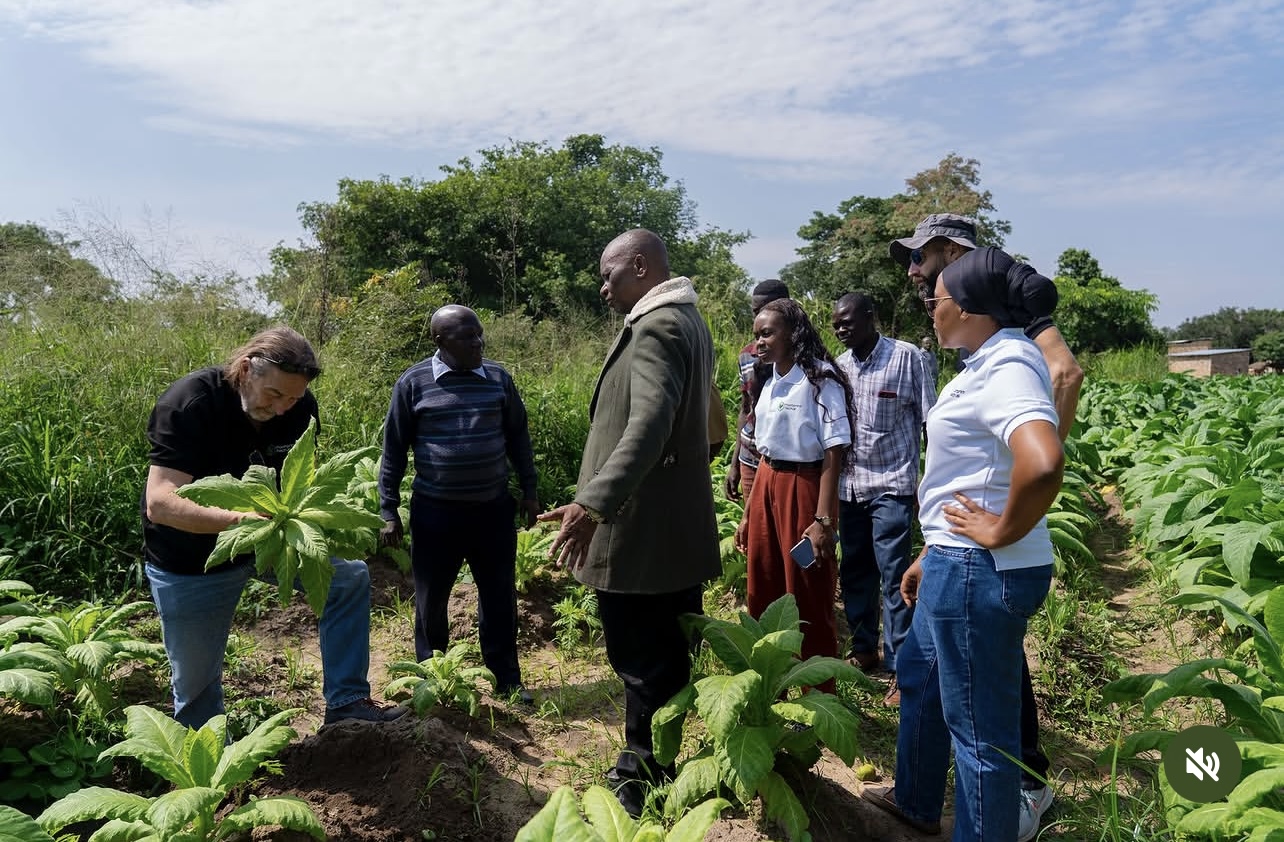
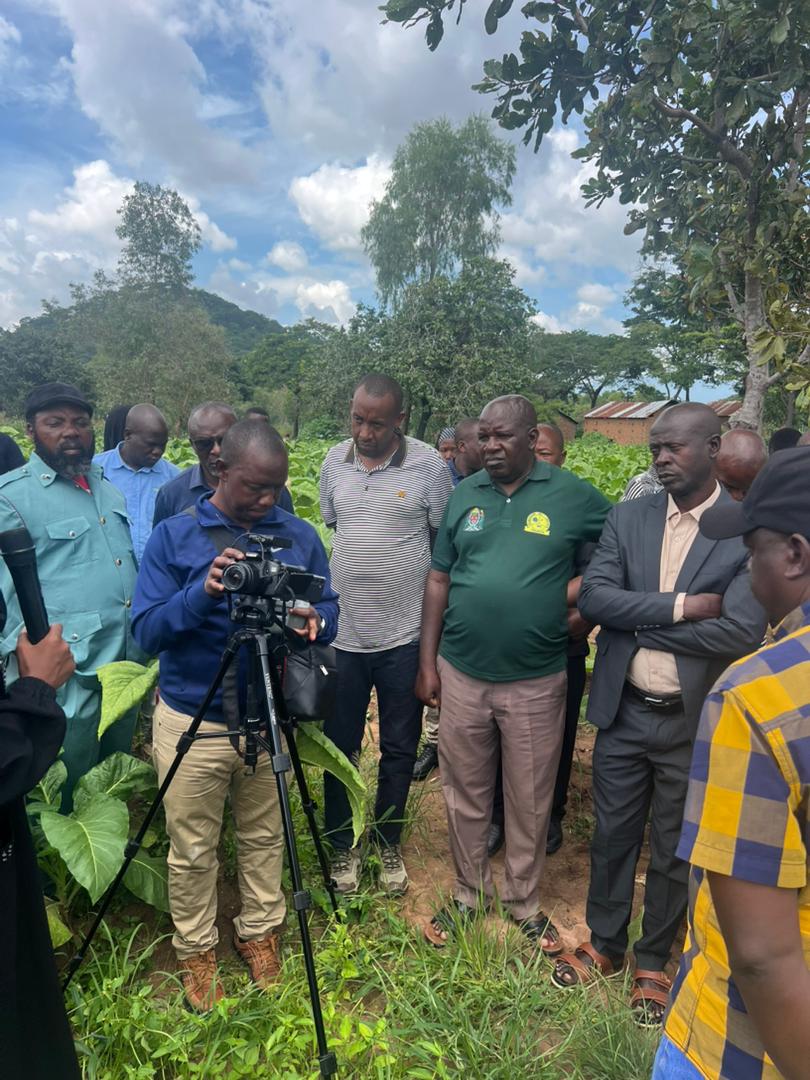
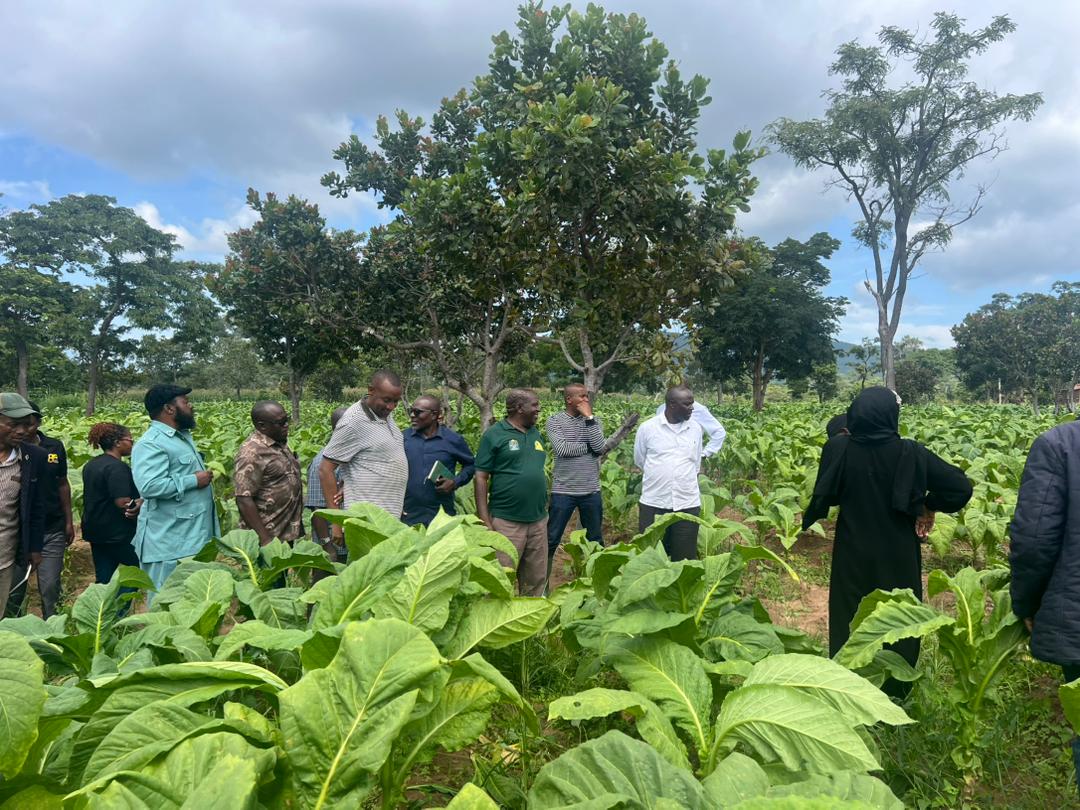
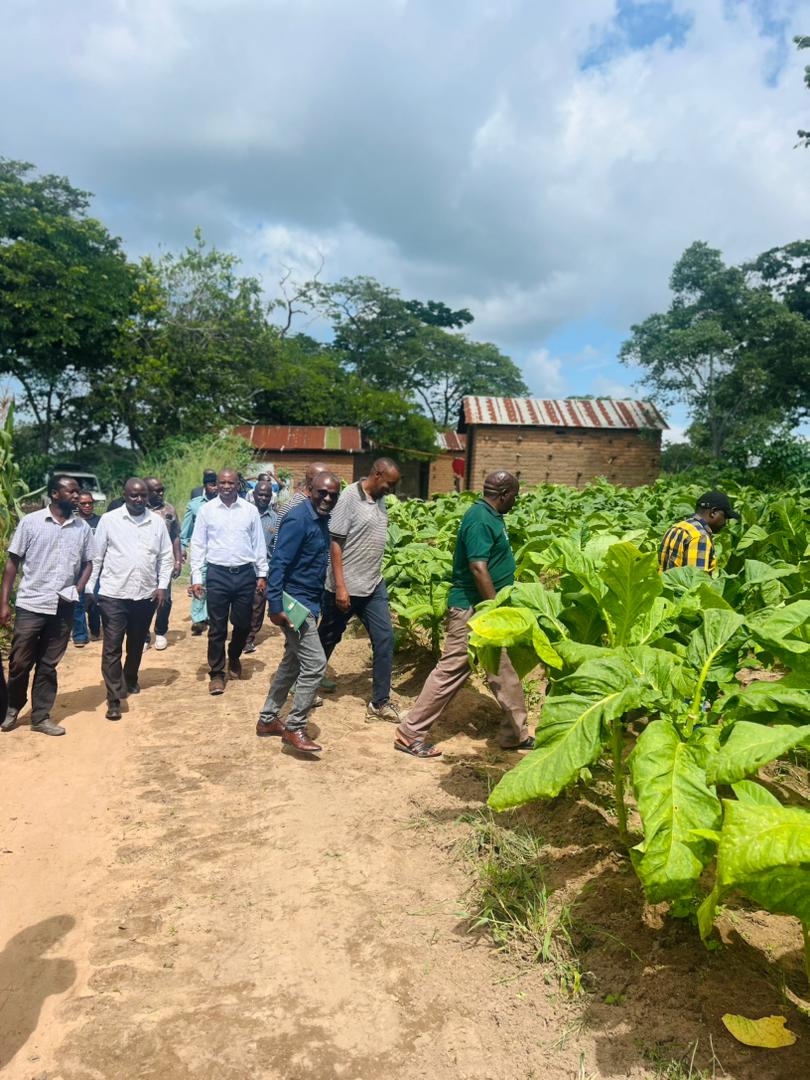
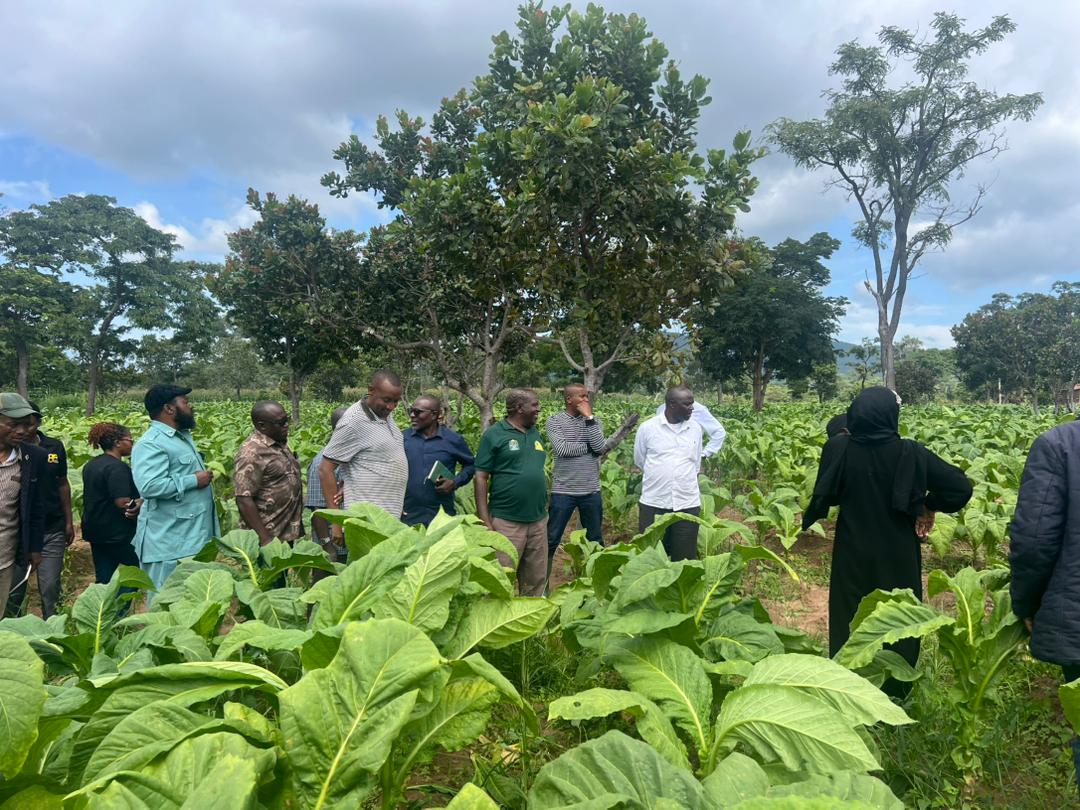
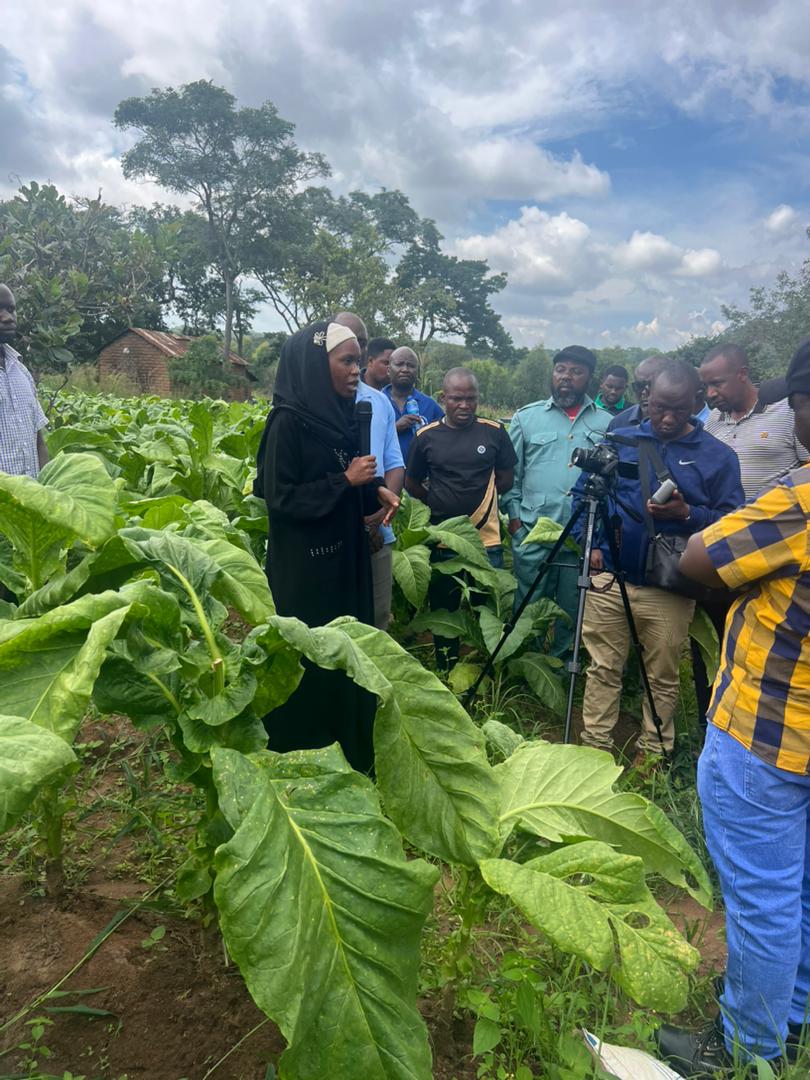
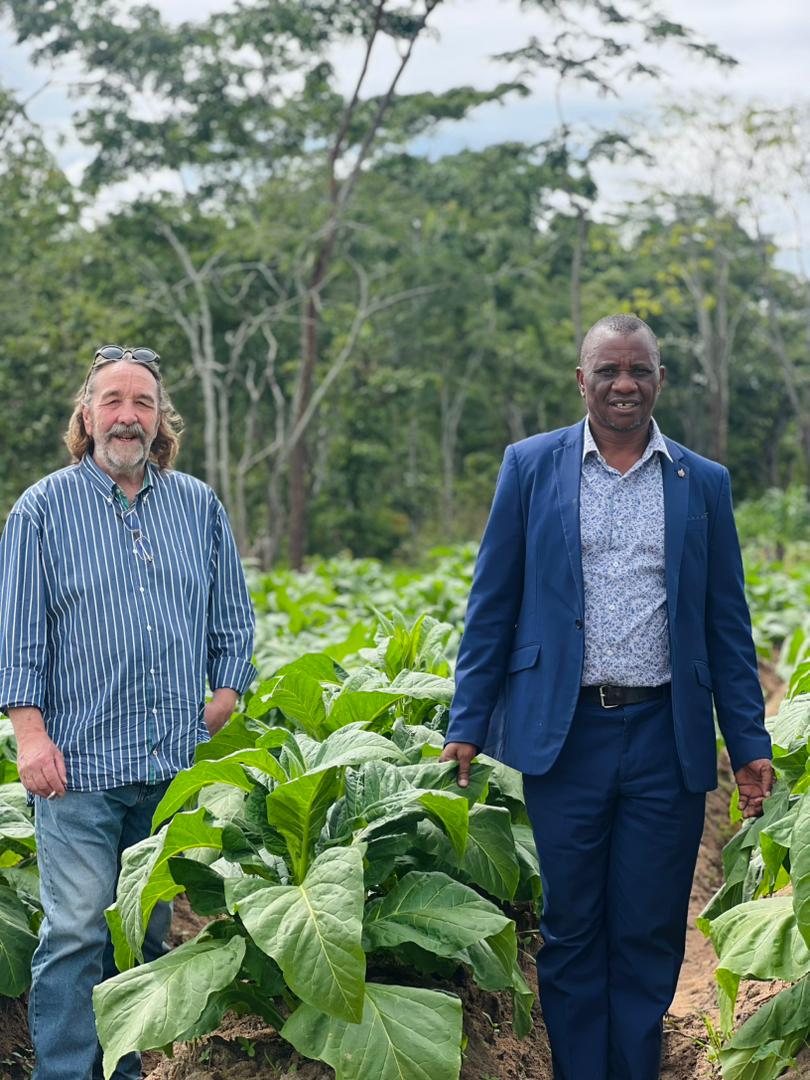
A strategic field visit was conducted together with the District Commissioner of Chunya and key stakeholders within the tobacco sector to assess the progress of the seven Crop Vision pilot farms before the completion of harvesting activities in 2025.
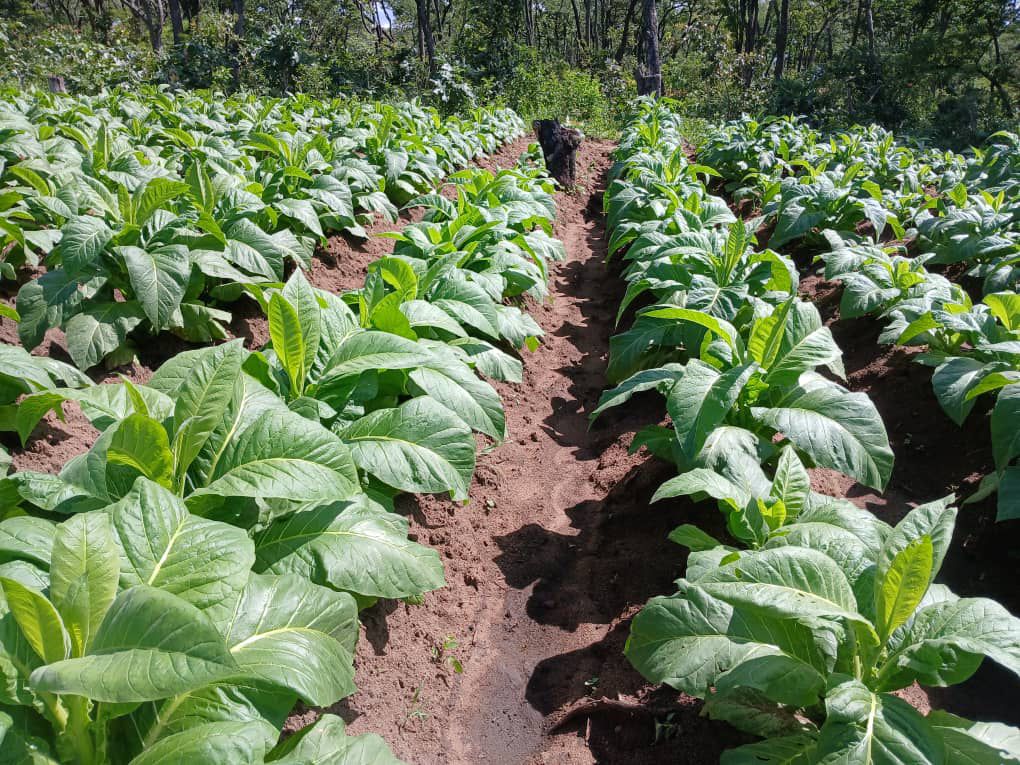
The visit provided an opportunity for stakeholders to observe crop performance, evaluate field management practices, and review the overall implementation of precision agriculture techniques introduced throughout the farming season. Discussions focused on crop health, fertilizer efficiency, soil management, and the effectiveness of data-driven farming approaches applied within the pilot farms.
Representatives from different agricultural institutions and tobacco sector stakeholders exchanged observations and recommendations aimed at improving productivity, sustainability, and farmer support systems across the region. The engagement also highlighted the importance of collaboration between government leadership, technology providers, agronomists, and farming communities.
The field assessment demonstrated the positive impact of scientific farming practices and reinforced the commitment toward expanding sustainable agricultural innovation within Chunya district and surrounding farming areas.
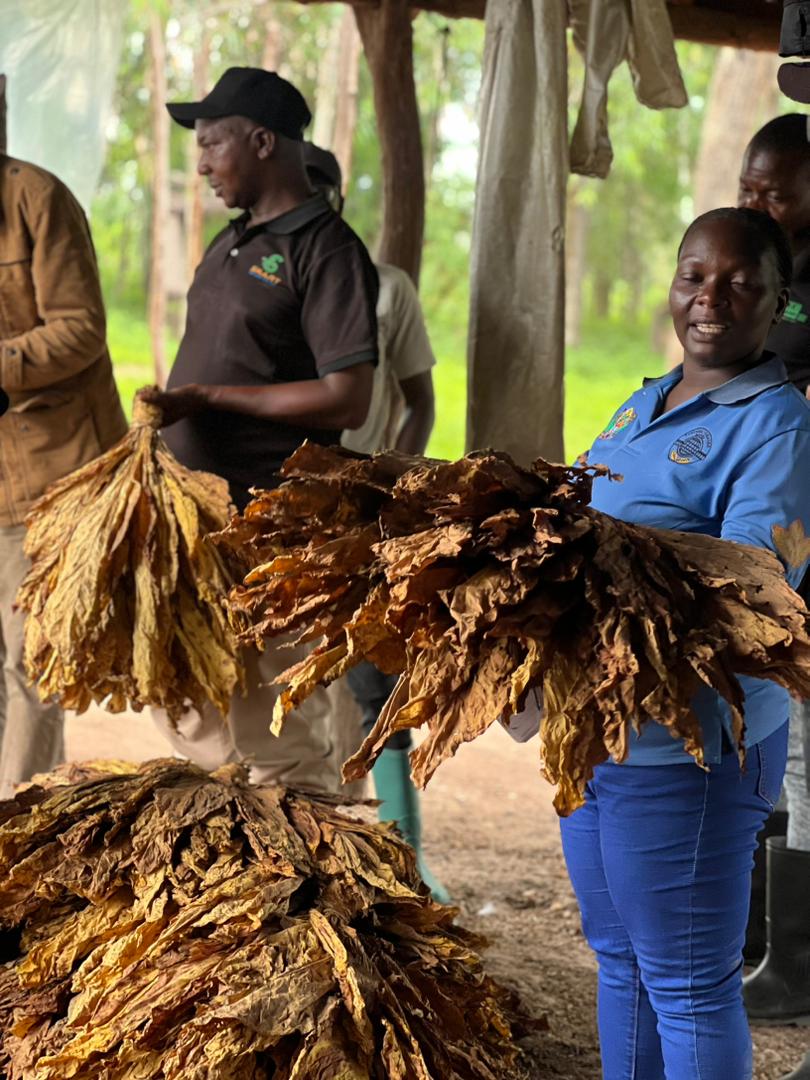
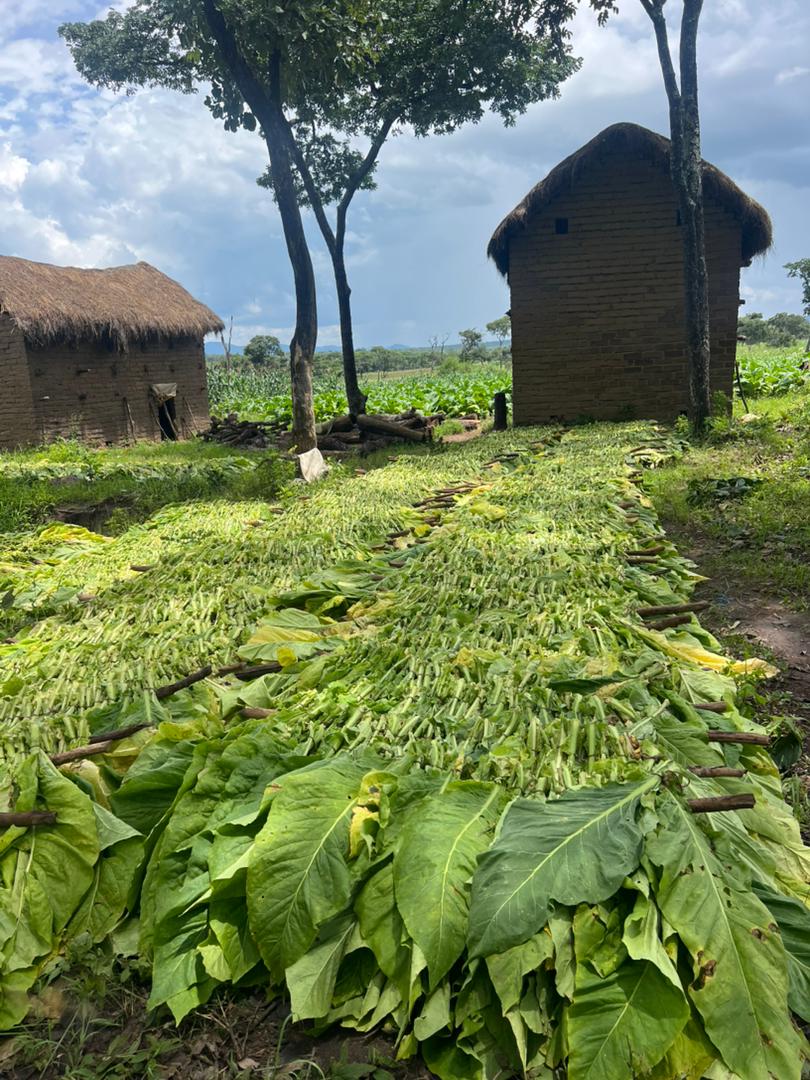
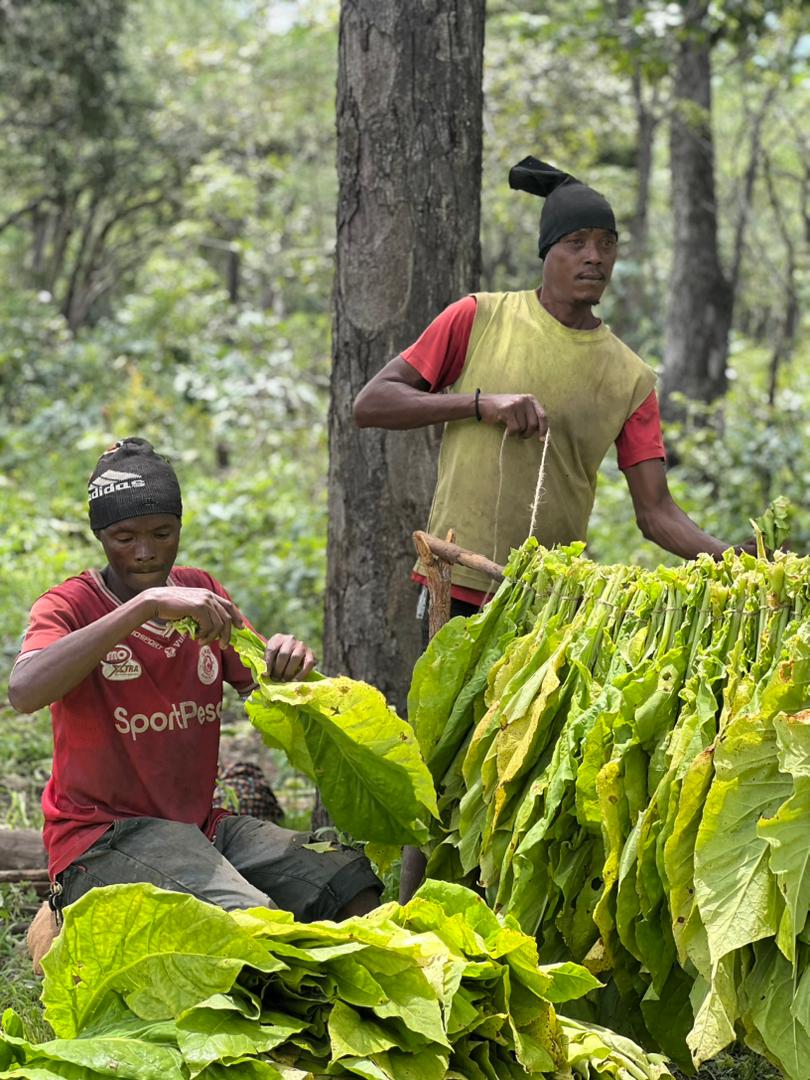
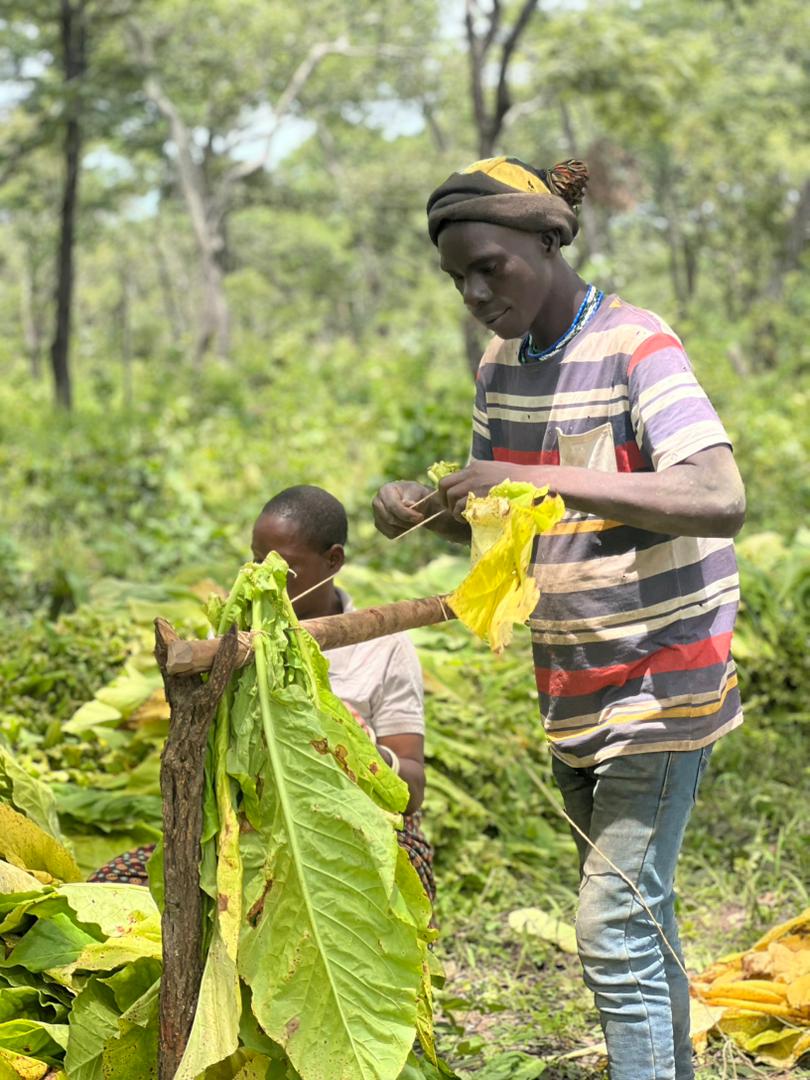
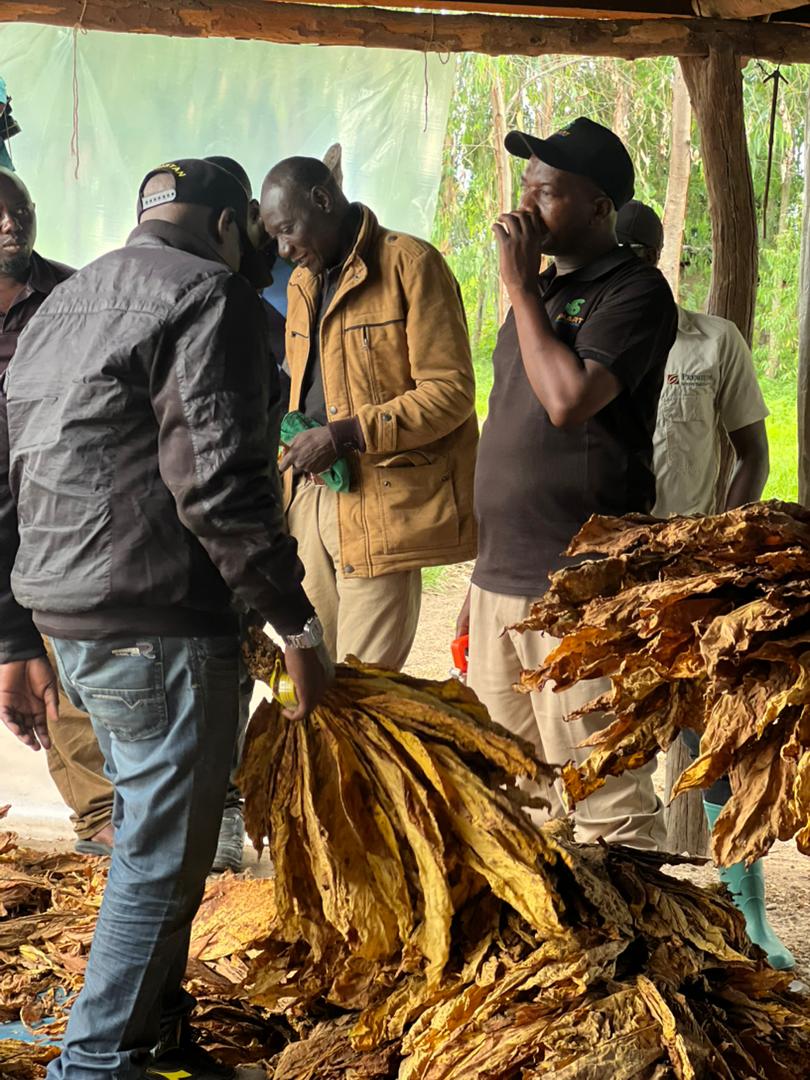
The tobacco harvesting process begins once the leaves reach full maturity, indicated by their color, texture, and overall plant condition. Farmers carefully pick the leaves in stages to ensure uniform quality and to avoid damaging the plant before complete harvesting.
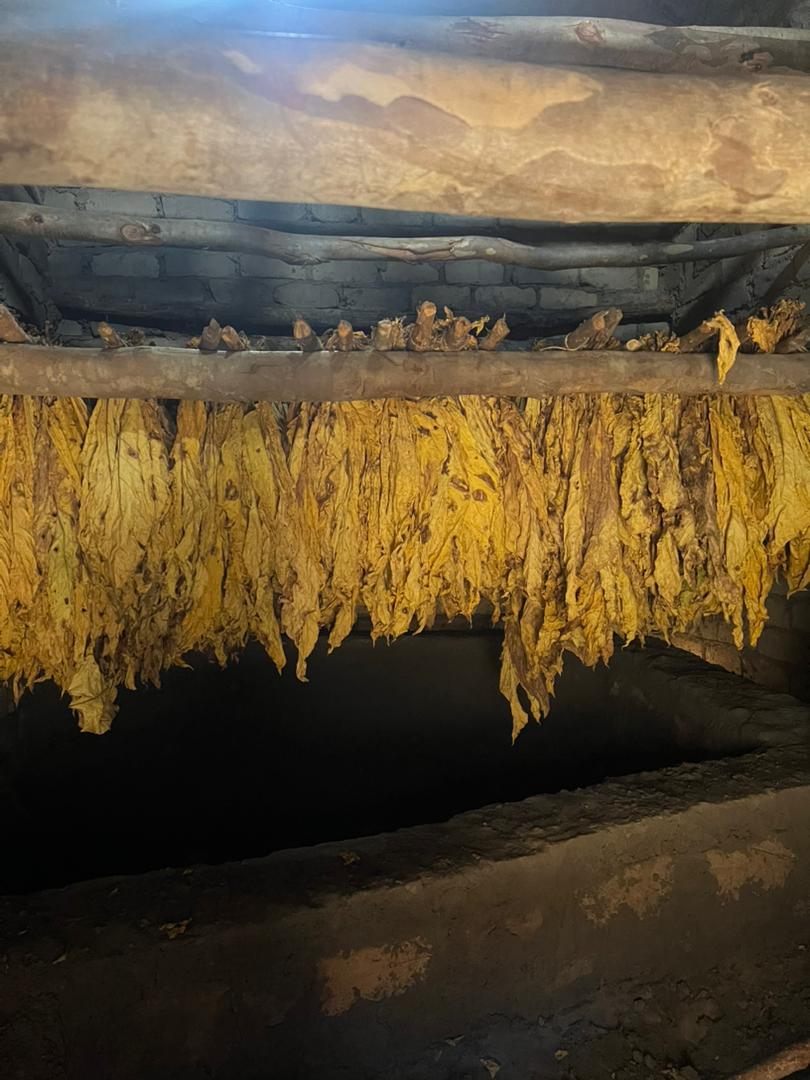
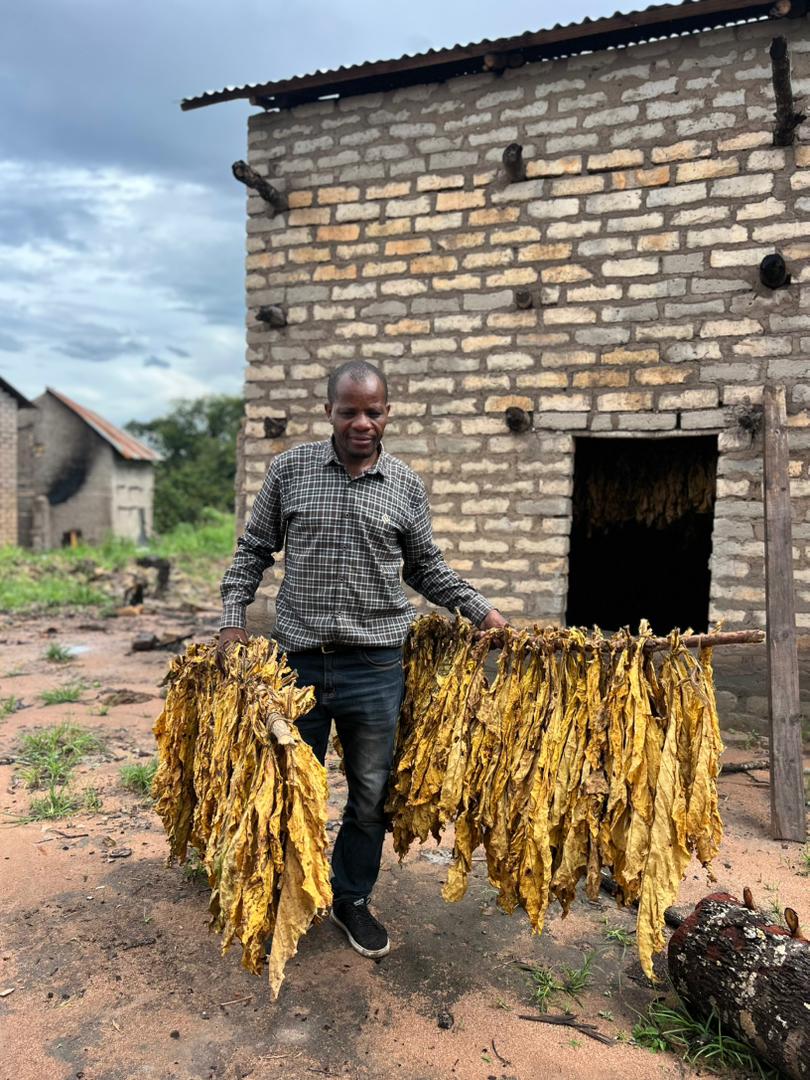
After harvesting, the leaves are transported to curing facilities where they undergo a controlled drying process. This stage is critical in determining the final quality of the tobacco, as temperature, humidity, and ventilation are carefully managed to preserve leaf integrity.
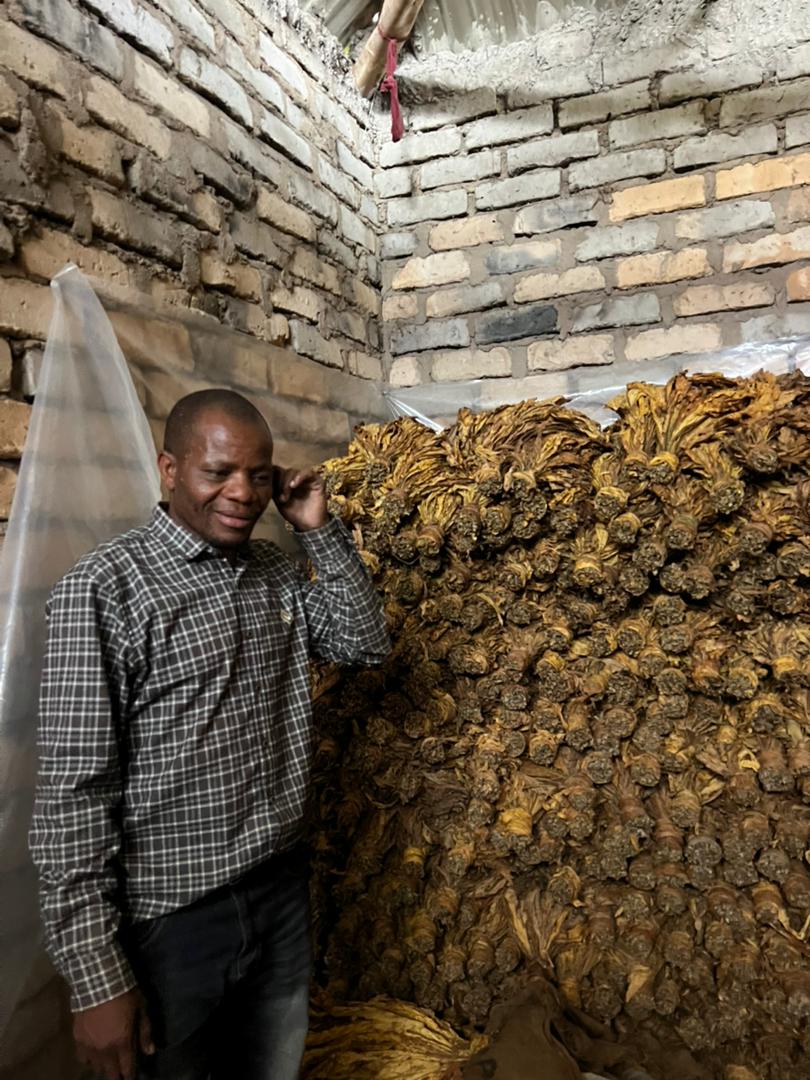
Curing transforms the fresh green leaves into a stable, market-ready product by reducing moisture content and enhancing flavor and aroma characteristics. Different curing methods, such as air curing and flue curing, are applied depending on the tobacco variety and intended market use.
This process highlights the importance of precision and timing in tobacco production, where proper handling at each stage directly influences yield quality, market value, and overall farmer income.
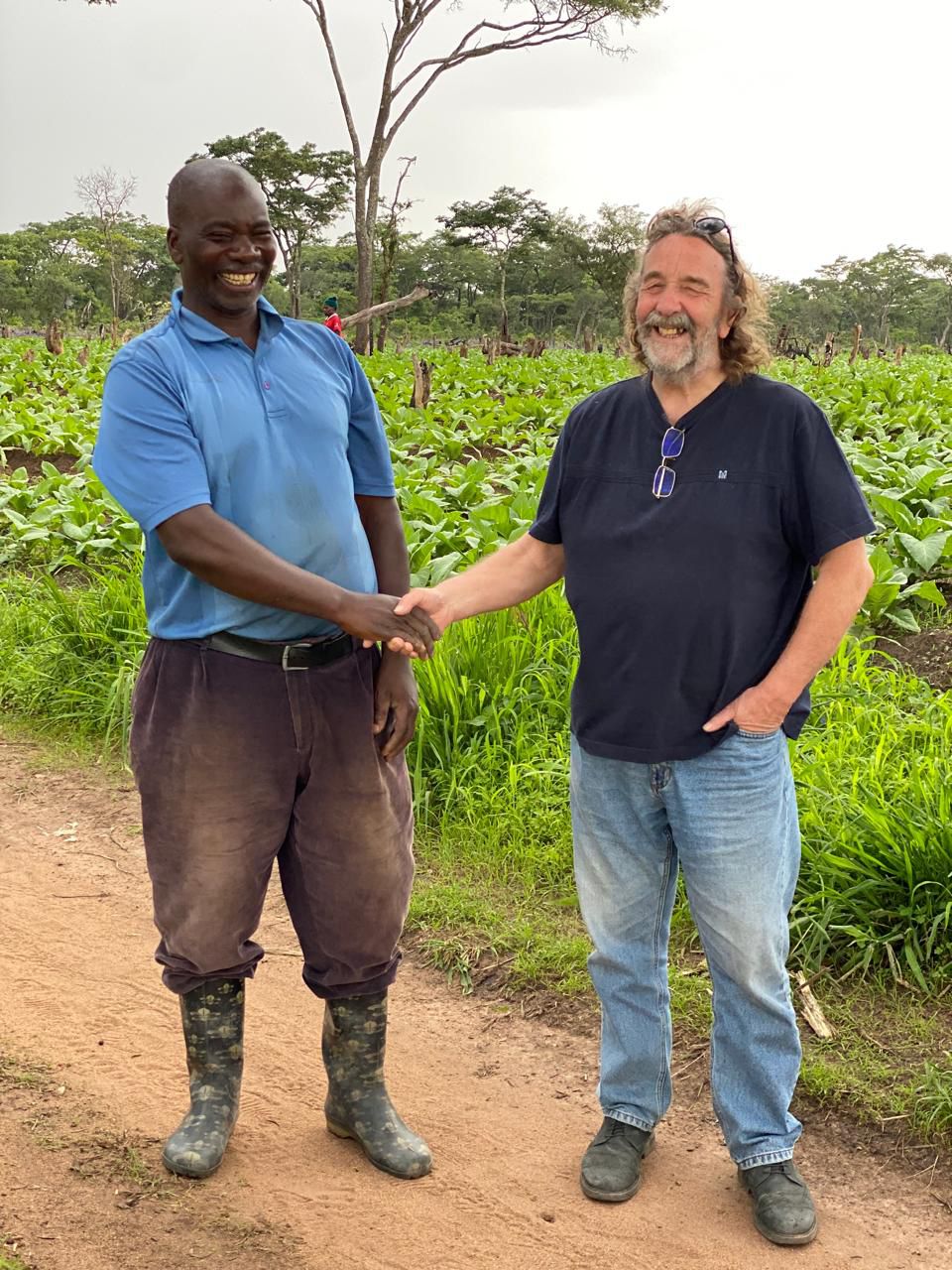
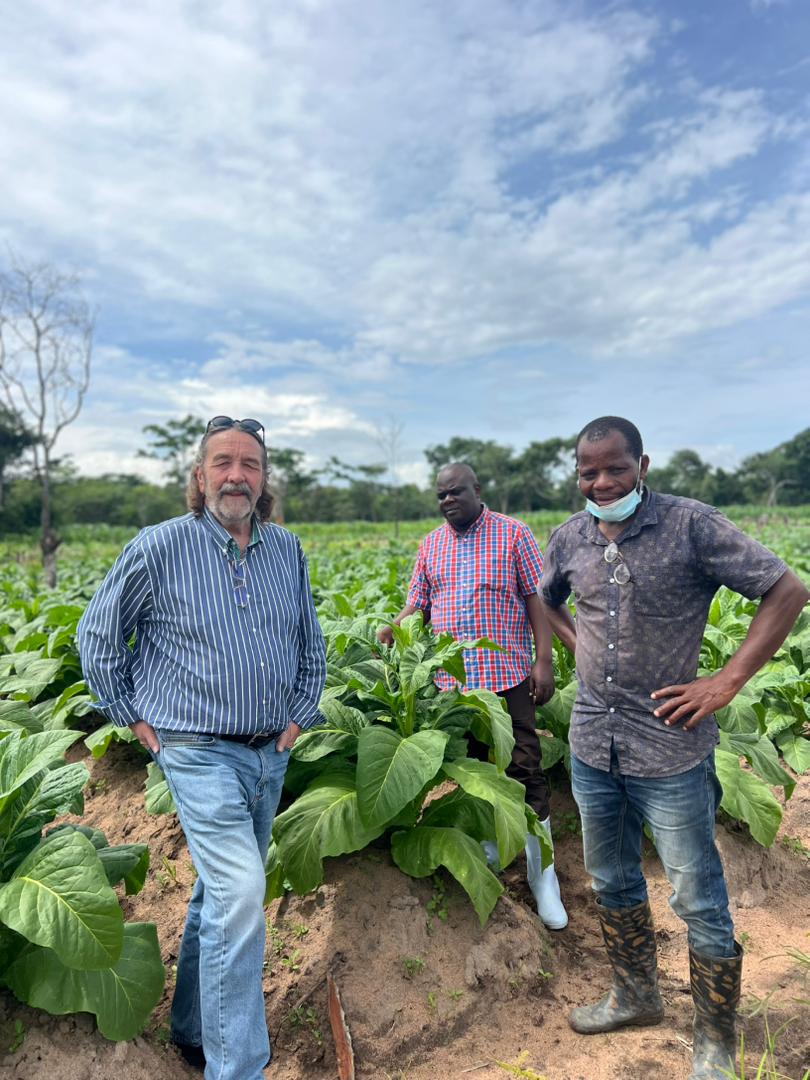
A field visit was conducted at the Crop Vision pilot farms together with the CHUTCU Manager and an agronomist representing Smart Tobacco Buyer. The visit aimed to assess crop performance, review ongoing field activities, and evaluate the impact of precision agriculture practices implemented within the pilot farms.
During the visit, participants observed various stages of crop development and discussed important aspects of farm management including soil condition, fertilizer application, crop health monitoring, and overall field performance. The engagement provided an opportunity for stakeholders to directly examine how scientific agricultural approaches were being applied under real farming conditions.
The discussions also focused on strengthening collaboration between farmers, agricultural experts, cooperative leadership, and market stakeholders in order to improve productivity, crop quality, and long-term sustainability within the tobacco farming sector.
The site visit demonstrated the importance of continuous field monitoring and knowledge exchange in supporting data-driven farming decisions. It also reinforced Crop Visionâs commitment to building practical agricultural solutions that connect farmers with technology, expertise, and market-oriented farming practices.
A meeting was held with representatives from the Tanzania Tobacco Board (TTB) to present and discuss the results obtained from the Crop Vision pilot farms conducted in the Morogoro region.
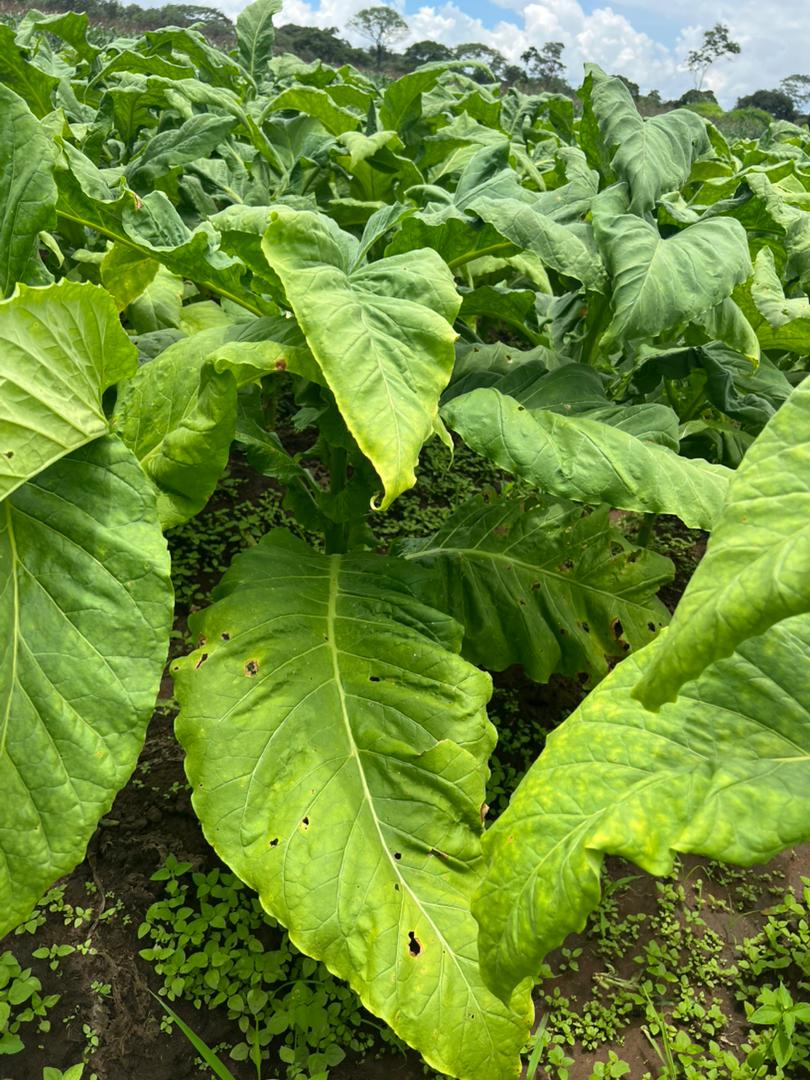
The discussion focused on evaluating the outcomes of precision agriculture practices implemented throughout the pilot program, including soil management, fertilizer application, crop monitoring, and overall productivity performance observed during the farming season.
Participants reviewed field observations, analytical findings, and practical lessons learned from the pilot farms while exploring opportunities for improving agricultural efficiency and supporting sustainable tobacco production. The engagement also emphasized the role of technology and data-driven decision-making in strengthening modern farming systems.
The meeting created an important platform for collaboration between Crop Vision, agricultural stakeholders, and regulatory institutions, reinforcing a shared commitment toward innovation, farmer empowerment, and long-term agricultural development within Tanzaniaâs tobacco sector.
Crop Vision combines technology, sustainability, and real-world agricultural insights to create smarter farming solutions for tomorrow.
Contact Us